The global hydration supplement market stands poised to expand from US$ 41.8 billion in 2026 to US$ 68.4 billion by 2033 at a robust CAGR of 7.3%. Yet chronic dehydration affects 17 to 28% of older adults in the United States and drives 1 to 3% of all hospital admissions nationwide. This pain point reveals massive unmet needs in daily wellness while hinting at high-return solutions through targeted innovation and strategic market entry.
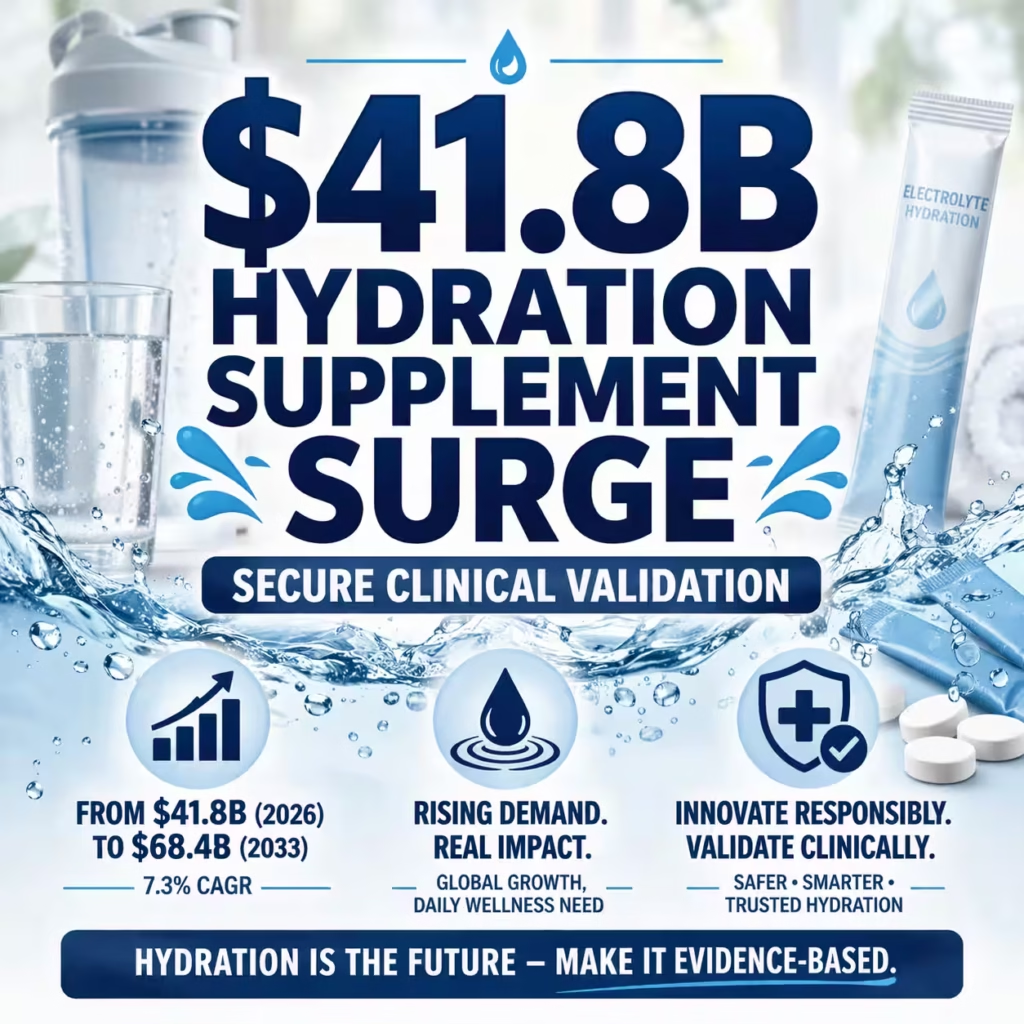
Dehydration links directly to longer hospital stays and elevated healthcare costs across the United States. Globally it contributes to 700,000 to 800,000 pediatric deaths annually from diarrheal diseases. These figures underscore how rising heat stress and lifestyle demands fuel the market surge you can capitalize on today.
At Carethix we analyzed parallel data showing the broader dietary supplements sector reaching USD 209.52 billion in 2025 with an 8.1% CAGR through 2033. Hydration products capture growing share as consumers prioritize preventive nutrition. Your business stands to gain by aligning with this preventive shift before competitors dominate.
Sports nutrition already claims 41.5% of the hydration segment in 2026 projections. Workplace wellness and travel applications further accelerate adoption. This case study proves the market rewards brands that deliver convenient electrolyte balance without relying on episodic use alone.
Carethix Critique: Unmasking Risks and Gaps in the Hydration Supplement Surge
Carethix highlights a critical gap where market growth outpaces evidence on long-term safety. Overconsumption of electrolytes causes irregular heartbeat, fatigue and nausea in vulnerable users. These risks compound for the 90% of Americans already exceeding daily sodium limits.
Regulation remains fragmented despite FDA emphasis on new dietary ingredient notifications in 2025. Many products lack rigorous clinical backing for performance claims. This leaves consumers exposed and opens liability doors for manufacturers chasing the 7.3% CAGR.
Access inequality widens the pain point as premium formulations exclude lower-income groups facing highest dehydration rates. Overhydration from misuse also risks hyponatremia especially among athletes. Carethix warns that unchecked expansion could erode public trust and invite stricter oversight.
Environmental costs from single-use packaging add another blind spot in the boom. Supply chain volatility for key minerals threatens pricing stability. Without addressing these gaps the projected US$ 68.4 billion prize may prove short-lived for irresponsible players.
Solutions
Innovative Product Development Delivers Evidence-Based Hydration
Develop personalized hydration formulas using DNA-based or app-linked dosing to match individual sweat profiles. Integrate clean-label ingredients with proven bioavailability enhancers for better absorption. This approach directly solves efficacy doubts while commanding premium pricing in a market hungry for results.
Launch hybrid formats such as electrolyte gummies and ready-to-mix powders that fit daily routines beyond sports. Partner with telehealth platforms for physician-guided recommendations targeting older adults. Your business gains loyalty and repeat revenue through measurable health outcomes.
Embed smart technology like hydration-tracking apps that sync with supplement usage data. Offer subscription models with usage analytics to optimize electrolyte balance. These digital solutions turn one-time buyers into lifelong customers and differentiate you in a crowded field.
Strategic Partnerships and Market Expansion Maximize Reach
Collaborate with employers to roll out workplace hydration programs reducing heat-related absenteeism. Target construction and outdoor sectors where dehydration drives one-third of occupational heat fatalities. Such B2B channels unlock steady volume and position your brand as a health partner.
Expand into emerging channels including e-commerce bundles and pharmacy integrations for broader accessibility. Focus on low-sugar sustainable options to meet clean-label demand. This multi-channel strategy captures the full 7.3% CAGR while mitigating retail concentration risks.
Invest in clinical trials to secure FDA-compliant structure-function claims. License formulations to regional players in high-growth Asia-Pacific markets. These moves accelerate scale and build defensible intellectual property.
Prevention Methods
Public Education Campaigns Build Long-Term Hydration Habits
Launch nationwide awareness initiatives teaching simple urine color checks and daily fluid targets of 2.0 to 3.5 liters. Partner with schools and senior centers to reach high-prevalence groups early. Consistent education reduces hospital admissions and lowers overall healthcare burden.
Integrate hydration reminders into workplace safety protocols especially during heat waves. Provide free electrolyte testing kits alongside training. These steps prevent chronic kidney risks linked to repeated dehydration episodes.
Policy and Infrastructure Reforms Secure Equitable Access
Advocate for updated FDA guidelines that streamline safe innovation while enforcing potency standards. Support municipal policies mandating water breaks for outdoor workers. Stronger frameworks close regulatory gaps and protect market integrity long term.
Invest in climate-resilient water infrastructure to counter rising global water stress affecting over 2 billion people. Promote community hydration stations in urban heat zones. Such prevention infrastructure safeguards populations and stabilizes demand for quality supplements.
Clinical Governance and Regulatory Moat Define Long-Term Market Leadership
The hydration supplement market is entering a phase where clinical governance will separate durable brands from short-lived players. As regulatory bodies like the U.S. Food and Drug Administration intensify scrutiny on structure-function claims and ingredient safety, businesses lacking validated evidence will face compliance friction, delayed approvals, and potential reputational erosion. This transition signals a shift from marketing-led growth to evidence-led scalability.
A critical inflection point lies in standardizing dosage frameworks and bioavailability benchmarks. Unlike traditional supplements, hydration products directly influence electrolyte balance, making precision dosing and safety thresholds non-negotiable. Companies that proactively invest in randomized clinical trials and pharmacokinetic profiling will not only mitigate risk but also unlock premium positioning with medically endorsed claims.
Regulatory alignment also creates a defensible competitive moat. Early adopters of compliant labeling, transparent ingredient sourcing, and adverse-event monitoring systems can build institutional trust across healthcare providers, insurers, and enterprise buyers. This is particularly vital as hydration solutions begin integrating into clinical pathways for elderly care and chronic condition management.
Ultimately, the market’s next growth curve will be dictated by trust infrastructure rather than product innovation alone. Brands that embed compliance, data transparency, and clinical validation into their core operating model will convert regulatory pressure into strategic advantage—transforming governance from a constraint into a scalable growth engine.
Carethix Key Takeaways: Our Expert Opinion
Carethix claims the US $41.8 billion hydration supplement surge in 2026 represents far more than numbers. It signals a profound opportunity to transform dehydration from a silent health tax into a solvable business advantage. Yet unchecked growth without safety rigor or equity will invite backlash and lost trust.
We believe true leaders will pair innovation with transparency and evidence. By choosing personalized clean solutions and proactive prevention you secure not only profits but lasting impact. The 7.3% CAGR rewards those who prioritize real health outcomes over hype.
Reference – Hydration Supplement Market to Reach $68.4B by 2033 Driven