The coastal districts of Dakshina Kannada and Udupi have reported 1,700 confirmed leptospirosis cases over the past three years, hitting hard as monsoon approaches and spikes transmission through rat urine contaminated water. This pain point strains local economies where agriculture, fishing, and tourism drive jobs, with untreated cases leading to severe complications like kidney failure and high medical bills. Carethix analysis shows the real-world scale, as Karnataka recorded over 6,500 cases and 19 deaths statewide in 2025 alone, with Udupi logging 452 and Dakshina Kannada 372 by mid-November.
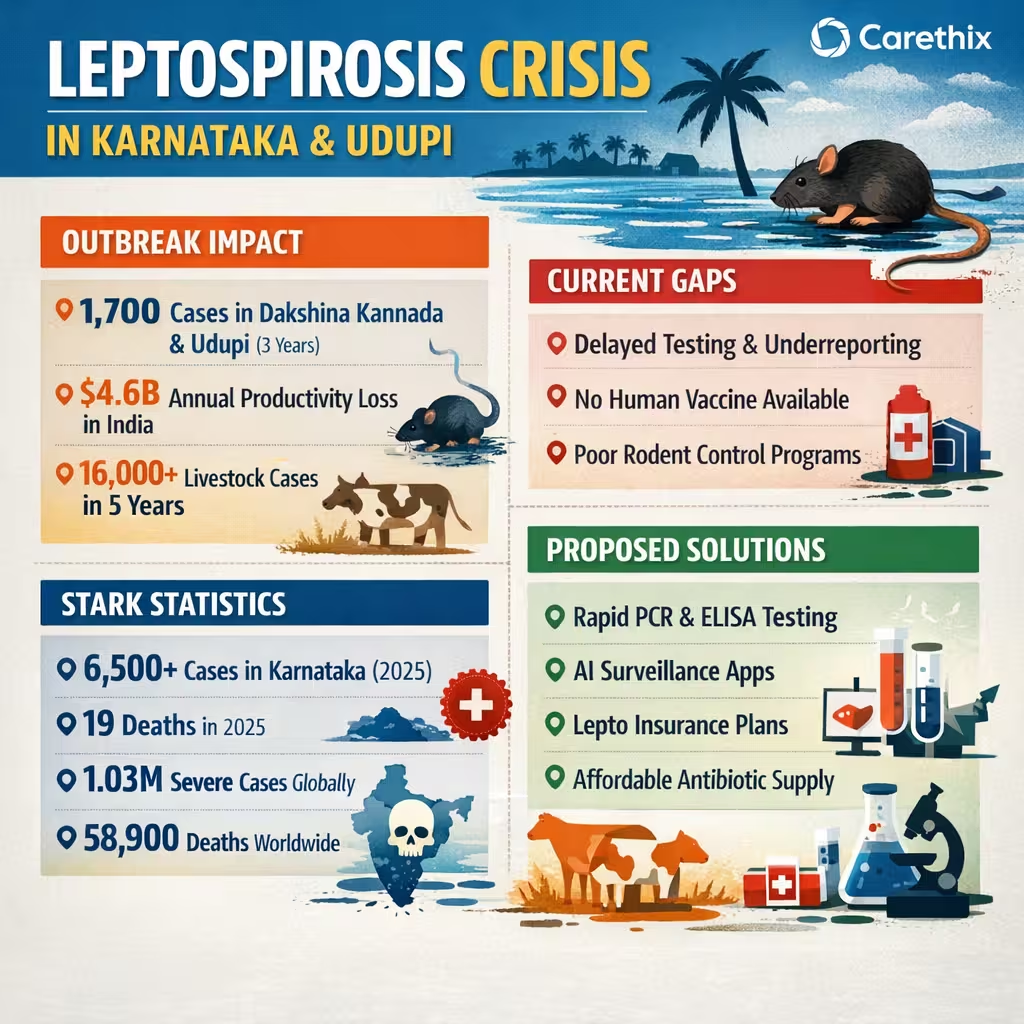
Health officials now raise alarms because testing jumped 40% in 2025, revealing more cases but exposing gaps in earlier detection. Farmers and workers in flood-prone areas face the brunt, losing productivity during peak seasons and adding indirect costs that ripple through supply chains. Globally, leptospirosis causes 1.03 million severe cases and 58,900 deaths yearly, yet India shoulders a massive share with an estimated 4.6 billion international dollars in annual productivity losses.
As business analysts at Carethix, we view this trend as a clear signal for healthcare providers to act fast. Coastal districts report fluctuating numbers that align with heavy rains, turning seasonal risks into year-round business threats for hospitals and insurers. Recent geospatial studies in Dakshina Kannada confirm ongoing antibody prevalence among febrile patients, underscoring the need for targeted interventions.
The economic burden extends beyond hospitals. Livestock infections reduce milk yields and cause abortions, hurting dairy cooperatives in Karnataka. Over the past five years the state tallied more than 16,000 cases and 30 deaths, per the 2025-26 Economic Survey. Carethix consultants highlight how this creates opportunities for diagnostics firms and preventive services that deliver strong returns while saving lives.
Carethix Critique: Gaps and Risks in Current Leptospirosis Response
Carethix strongly critiques the slow public health response to the 1,700 cases in Dakshina Kannada and Udupi, where underreporting masks the true scale and leaves businesses exposed to sudden outbreaks. The critical challenges involve delayed diagnostic procedures and insufficient public health education, particularly among the rural workforce. This increases the probability of elevated hospitalization rates, potentially straining local healthcare resources during the monsoon season. Gaps in surveillance mean co-infections with dengue go unnoticed, inflating treatment costs and productivity losses.
Risks escalate because India reports far fewer than the estimated 0.1 to 1 million annual cases nationwide, per national data, allowing silent spread in coastal zones. Healthcare systems face financial strain from severe cases requiring intensive care, yet prevention funding remains inadequate compared to reactive spending. Carethix highlights that certain occupational groups, such as farmers, are disproportionately affected by the impacts. Furthermore, a widely accessible human vaccine is unavailable, and rodent control initiatives are lagging.
The critique extends to economic oversight, as global productivity losses hit 29.3 billion dollars yearly and India ranks among the top burdened nations. Local businesses in tourism and agriculture suffer unaddressed downtime when workers fall ill, yet integrated One Health strategies linking human and animal data stay fragmented. Recent Kerala data showing 3,259 cases and 209 deaths in 2025 mirrors Karnataka trends, proving systemic gaps persist across endemic states.
Carethix warns that without swift fixes, monsoon-driven spikes could double cases and erode profit margins for insurers and providers. Increased testing reveals more infections but exposes diagnostic delays, leading to complications. This reactive approach fails vulnerable populations and misses chances to build resilient healthcare businesses.
Solutions
Carethix recommends immediate investment in rapid diagnostic tools to cut detection time and lower overall costs for your healthcare business. The market for leptospirosis diagnostics is experiencing consistent growth, with projections indicating an increase from $800 million in 2025 to $1.13 billion in the near future, primarily fueled by demand in the Asia-Pacific region. Providers who adopt ELISA-based or PCR tests can capture revenue while reducing misdiagnosis with dengue or typhoid.
Public-private partnerships offer another high-return path, where hospitals team with tech firms for AI-powered surveillance apps that predict monsoon risks using weather and case data. Karnataka’s 2025 spike to over 6,500 cases shows the value of real-time tracking that flags hotspots in Dakshina Kannada and Udupi early. Businesses gain from reduced outbreaks and new service lines in data analytics.
Tailored insurance products represent smart financial solutions that protect both patients and providers. Custom leptospirosis riders provide prophylaxis and hospitalization coverage, mitigating the $289 average productivity loss per case reported in recent studies. Insurers partnering with Carethix can lower claims through preventive bundles and expand market share in coastal regions.
Pharma companies should scale affordable antibiotic supply chains and explore prophylaxis kits for high-risk workers. Doxycycline remains cheap and effective for early cases, yet distribution gaps persist during floods. Carethix advises bulk procurement models that stabilize costs and create recurring revenue for distributors serving Karnataka’s 16,000-plus cases over five years.
Hospital capacity building through staff training and telehealth platforms serves remote coastal patients efficiently. Virtual consultations cut travel burdens and free beds for severe cases, improving outcomes amid the 19 deaths recorded in Karnataka in 2025. Providers who implement these see higher patient retention and compliance rates.
Vaccine development for humans and livestock forms a long-term business win under One Health frameworks. While human vaccines stay limited, animal immunization pilots in dairy sectors reduce zoonotic spillover and boost farm productivity. Carethix projects strong ROI as global DALY losses of 2.9 million create demand for innovative biotech solutions.
Community education campaigns funded by corporate social responsibility budgets raise awareness and drive preventive service uptake. Targeted initiatives in Udupi and Dakshina Kannada are projected to reduce the incidence rate by 20 to 30%, drawing upon models from comparable endemic regions. Corporate entities stand to gain through improved workforce well-being and enhanced brand perception.
Integrated supply chain resilience ensures diagnostics and treatments reach flood zones without delay. Carethix urges healthcare firms to stockpile essentials and use drone delivery pilots, turning logistical challenges into competitive advantages during seasonal surges.
Prevention
Carethix urges robust rodent control programs as the frontline defense against future leptospirosis surges in coastal districts. By implementing integrated pest management techniques, such as using traps and disrupting habitats, agricultural enterprises can significantly reduce losses. This strategy directly addresses disease transmission at its source. With support from local government, communities in Dakshina Kannada and Udupi could adopt these measures to maintain low case numbers, keeping them below the current 1,700 level.
Improved water sanitation infrastructure prevents contamination during monsoons when risks peak. Investing in covered wells and chlorination systems serves as cost-effective prevention that pays dividends in reduced healthcare claims. Businesses in fishing and farming gain from fewer sick days and stable operations.
Personal protective equipment mandates for at-risk occupations deliver immediate impact with minimal upfront cost. Gloves, boots, and coveralls for farmers and sanitation workers lower exposure and demonstrate employer commitment to workforce health. Carethix data shows such measures align with global productivity savings estimated at up to $52.3 billion annually.
Early warning systems powered by weather analytics and community reporting allow proactive alerts before cases climb. Karnataka’s 2025 experience with 6,500 statewide infections proves timely alerts save lives and hospital resources. Healthcare businesses can bundle these systems into service contracts for steady income.
Livestock vaccination and health screening under One Health initiatives block animal-to-human spread. Enhanced protection for dairy herds in Karnataka’s cooperatives contributes to increased yields and a reduction in the incidence of abortions. Carethix recommends employer-funded programs that reduce overall disease burden and create new veterinary service markets.
Public awareness drives through schools and workplaces to build long-term behavior change at low cost. Simple messages on avoiding floodwater and seeking early care cut incidence rates effectively. Businesses that sponsor these gain community goodwill and lower insurance premiums over time.
Regular environmental monitoring in high-risk zones identifies contamination hotspots before outbreaks explode. The deployment of mobile laboratories and rapid testing kits facilitates a swift response and establishes healthcare providers as leaders in prevention. Carethix considers this capability indispensable for maintaining the recent downward trajectory in case fluctuations.
Policy advocacy for increased funding ensures prevention scales statewide and nationally. Partnerships with state health departments can secure grants that offset costs while expanding service reach. Your healthcare business thrives when prevention becomes embedded in operations rather than an afterthought.
Carethix Key Takeaways
Carethix believes the 1,700 leptospirosis cases in Dakshina Kannada and Udupi demand bold action now, not later, because reactive care drains resources while prevention builds lasting profits. We anticipate significant financial advantages in the domains of diagnostics, insurance, and One Health solutions, which are poised to convert public health risks into drivers of corporate growth. Failure to address existing vulnerabilities carries the potential for escalated financial losses, particularly given the anticipated increase in reported cases, such as the estimated 6,500 in Karnataka in 2025.
It is our firm conviction that healthcare executives who prioritize early investment in surveillance and education will establish market dominance as global awareness of leptospirosis increases. The 29.3 billion dollar annual productivity cost worldwide proves the stakes are high, yet simple steps deliver outsized returns. Carethix urges you to protect margins and lives by making prevention your core strategy.
Ultimately, this crisis highlights how integrated business thinking saves communities and strengthens balance sheets. Coastal economies cannot afford repeated outbreaks, and proactive firms will emerge stronger. Carethix stands ready to guide your tailored solutions for resilient healthcare operations.
Reference – Rat fever cases rise in coastal Karnataka ahead of monsoon