According to recent UK reports, Tonic Health founder Sunna Van Kampen promotes a 70p high-protein lunch of canned sardines on whole-meal pitta bread that delivers over 20 grams of protein while supplying omega-3 fatty acids known to lower blood pressure. This simple option highlights a painful reality for millions facing skyrocketing healthcare expenses from uncontrolled hypertension that affects 119.9 million US adults and drives $219 billion in annual costs. Carethix sees clear business opportunities in scaling such accessible solutions to improve adherence and reduce long-term financial burdens.
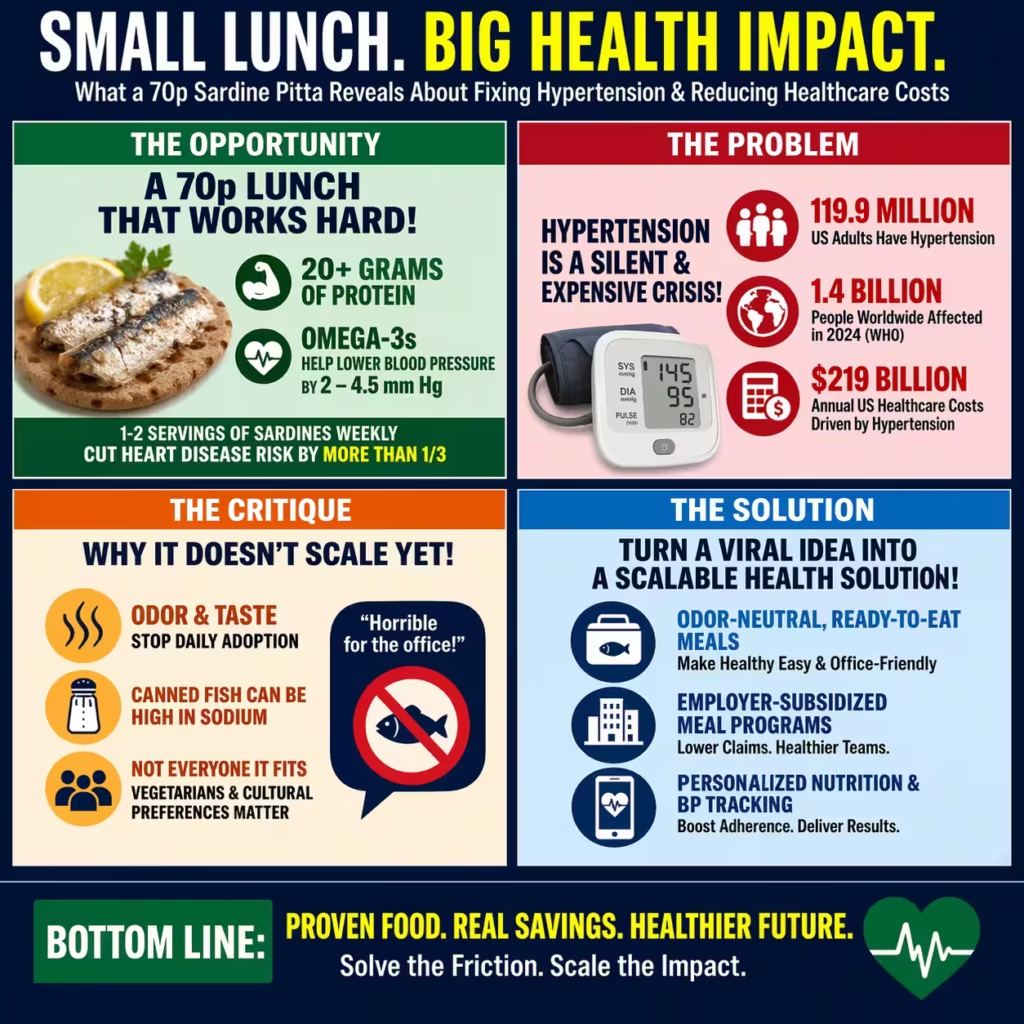
Hypertension remains a silent driver of heart disease and stroke with global cases reaching 1.4 billion people in 2024 per WHO data. The sardine lunch leverages potassium magnesium and zinc alongside EPA and DHA omega-3s that studies link to modest blood pressure reductions of 2 to 4.5 mm Hg at optimal intakes. Harvard research further shows one to two weekly servings of sardines cut heart disease risk by more than one-third making this meal a practical functional food example.
Yet adoption falters because many view fish-based lunches as unappealing or office-unfriendly due to odor and taste complaints on social media. Protein consumed at lunch independently associates with lower systolic blood pressure in community studies of older adults reinforcing the nutritional edge. Carethix analysis reveals this highlights broader market failures where affordable nutrition rarely translates into widespread behavior change despite proven cardiometabolic benefits.
US adults consume far below recommended seafood levels while facing rising chronic disease costs projected to strain economies further by 2025. The 70p lunch costs roughly 90 US cents and meets high-fiber goals closer to the NHS target of 30 grams daily that most miss. Business leaders must therefore examine how to commercialize similar ready options to capture the growing demand for evidence-based affordable health interventions.
Tonic Health built its UK success on vitamin drinks and real-food advocacy positioning the founder as a credible voice for nutrient-dense eating. Recent trials confirm omega-3 from fish outperforms isolated supplements for heart protection through synergistic protein and minerals. Carethix views this case as a blueprint for US expansion where corporate wellness programs could integrate such lunches to lower employee health claims by targeting the 50% adult hypertension prevalence.
Carethix Critique: Risks and Gaps in the Sardine Lunch Trend
The sardine pitta lunch addresses cost barriers effectively yet ignores key practical risks that limit real-world uptake among busy professionals. Canned fish often carries higher sodium levels that could counteract blood pressure benefits for sensitive individuals while mercury concerns persist in frequent consumers despite sardines ranking low on toxin scales. Carethix warns that without tailored guidance this promotion risks oversimplifying dietary needs and alienating groups with allergies or cultural preferences.
Social backlash labeling the meal horrible and unsuitable for offices underscores a deeper adherence gap in hypertension management strategies. Taste fatigue and preparation stigma reduce long-term compliance even when nutritional data shows strong omega-3 delivery for inflammation control and lipid improvement. Our analysis at Carethix identifies this as a missed opportunity for brands to innovate around sensory barriers that currently undermine proven preventive nutrition.
Evidence gaps remain because the lunch lacks controlled clinical validation specific to daily use across diverse US populations. While meta-analyses support 2 to 3 grams daily EPA plus DHA for blood pressure drops the real impact depends on consistent intake that office settings rarely support. Carethix critiques the absence of broader ecosystem support such as employer subsidies or packaging tech that could close these implementation holes.
Economic risks compound when individuals abandon healthy eating due to perceived inconvenience leading to higher reliance on expensive medications. Uncontrolled hypertension already costs the US healthcare system billions with productivity losses exceeding $35 billion projected by 2025. Carethix urges stakeholders to confront these gaps rather than celebrate isolated viral examples that fail to scale population-level change.
Diversity considerations further expose limitations since the meal may not suit vegetarian trends or regional availability variations across America. Recent data shows Black adults face higher hypertension rates yet cultural acceptance of canned fish varies widely. Our firm highlights the need for inclusive product development to avoid exacerbating health equity issues in preventive care markets.
| Related Analysis: Ballmer’s $110M Fund: Solutions For Workforce Mental Health $2.7M Health Renovation: Smart ROI Solutions 150% More Cancer Risk from Pesticides: Safer Agri Strategies |
Solutions: Business Strategies to Scale Effective Blood Pressure Management Tools
Carethix recommends immediate product innovation around odor-neutral packaging for sardine-based lunches to eliminate office stigma and boost daily adoption rates. Companies can develop ready-to-eat kits with vacuum-sealed components that preserve omega-3 potency while delivering consistent 20-plus grams of protein at under one dollar per serving. This approach directly tackles the pain points exposed in the viral lunch trend and opens revenue streams in the expanding functional foods sector.
Employers should integrate subsidized meal programs featuring high-protein fish options into corporate wellness platforms to reduce hypertension-related claims that burden group health plans. Partnerships between vitamin brands like Tonic Health and meal delivery services could bundle the lunch with targeted supplements for synergistic blood pressure support. Such B2B models create recurring revenue while delivering measurable ROI through lower absenteeism and medical costs.
Digital health apps must incorporate recipe customization tools that adapt the sardine pitta concept for personal preferences and nutritional tracking. Machine learning can suggest flavor enhancers like herbs or low-sodium pairings to improve palatability without compromising omega-3 benefits. Carethix advises telehealth providers to embed these solutions within remote monitoring programs for sustained patient engagement.
Retailers and manufacturers can expand private-label canned fish lines with clear blood pressure health claims backed by recent meta-analysis data on 2 to 3 grams daily omega-3 intake. Point-of-sale education campaigns using QR codes can link shoppers to simple preparation videos and cost calculators demonstrating daily savings. This strategy captures the growing demand for affordable preventive nutrition amid 119.9 million affected US adults.
Policy incentives such as tax credits for companies producing low-cost functional meals would accelerate market entry and improve accessibility nationwide. Carethix encourages venture funding into startups that fortify pitta or similar bases with additional magnesium and potassium to amplify the lunch’s natural effects. These combined tactics transform a single viral idea into a scalable business category addressing the $219 billion hypertension burden.
Supply chain optimization ensures consistent availability of high-quality sardines at scale while maintaining price points below one dollar. Collaborations with fisheries and processors can guarantee low-mercury sourcing and sustainability certifications that build consumer trust. Our consultancy projects that such solutions could capture significant share in the preventive health market by 2030.
Prevention Methods: Forward-Looking Steps to Avoid Future Hypertension Crises
Carethix advocates early childhood nutrition education programs that normalize affordable fish meals to build lifelong habits before hypertension develops. Schools and community centers should distribute simple recipes like the sardine pitta while teaching omega-3 benefits for blood pressure and heart health. This foundational approach prevents the 50% adult prevalence rate from rising further in coming generations.
Government subsidies for canned seafood and whole grains would lower barriers for low-income households facing the highest uncontrolled hypertension rates. Public campaigns must highlight recent evidence showing lunch-time protein intake independently lowers systolic pressure to encourage daily incorporation. Carethix stresses that proactive policy prevents billions in future treatment costs projected for cardiovascular complications.
Workplace design changes including dedicated fish-friendly reheating stations and scent-neutral break areas can remove social obstacles to healthy eating. Employers should mandate annual hypertension screenings paired with personalized meal plans featuring high-omega-3 options. These environmental shifts sustain prevention by making compliance effortless rather than aspirational.
Food manufacturers must invest in research to create next-generation fortified products that combine sardine nutrients with plant-based alternatives for broader appeal. Longitudinal studies tracking blood pressure responses to consistent low-cost lunches will refine prevention guidelines. Carethix recommends cross-sector alliances to fund such innovation and close current evidence gaps.
Digital platforms should deploy predictive analytics that alert users to rising blood pressure risks and suggest preventive lunches based on real-time dietary data. Community challenges rewarding consistent high-protein fish intake can foster social norms around affordable wellness. Our firm believes these tech-enabled steps will dramatically reduce the global 1.4 billion hypertension burden over the next decade.
Ongoing clinician training on practical nutrition solutions ensures patients receive actionable advice beyond generic diet sheets. Insurance providers can reimburse preventive meal kits to align financial incentives with long-term health savings. Carethix views integrated prevention as the only path to bend the cost curve on chronic disease management.
Carethix Key Takeaways: Strategic Imperatives for Lasting Health and Business Impact
Carethix firmly believes the 70p sardine lunch represents more than a clever hack. It signals an urgent call for the healthcare and food industries to prioritize scalable affordable nutrition or face escalating 219 billion dollar annual losses. We reject half-measures that celebrate viral moments without fixing office stigma sensory barriers and equity gaps that doom real adherence. Instead smart businesses must innovate packaging delivery and policy support to transform proven omega-3 benefits into everyday reality for 119.9 million Americans.
In our expert opinion ignoring practical risks around this lunch perpetuates a broken system where hypertension prevention remains aspirational rather than automatic. Carethix demands bold action through employer partnerships, digital tools and fortified products because evidence clearly shows 2 to 3 grams daily omega-3 from fish delivers measurable blood pressure drops. Leaders who act now will capture massive market share while genuinely lowering societal costs and improving lives.
Ultimately Carethix concludes that sustainable success demands you embrace these solutions and prevention methods today. The choice is clear: invest in accessible high-protein fish options or continue paying the steep price of inaction. Your move toward smarter nutrition strategies will define both personal health outcomes and broader industry resilience in the years ahead.
Reference – Healthy 70p high protein lunch that could lower blood pressure