Backed by 27 studies, the dry eye playbook drives healthcare leaders to optimize optometric strategy and sharpen clinical decisions.
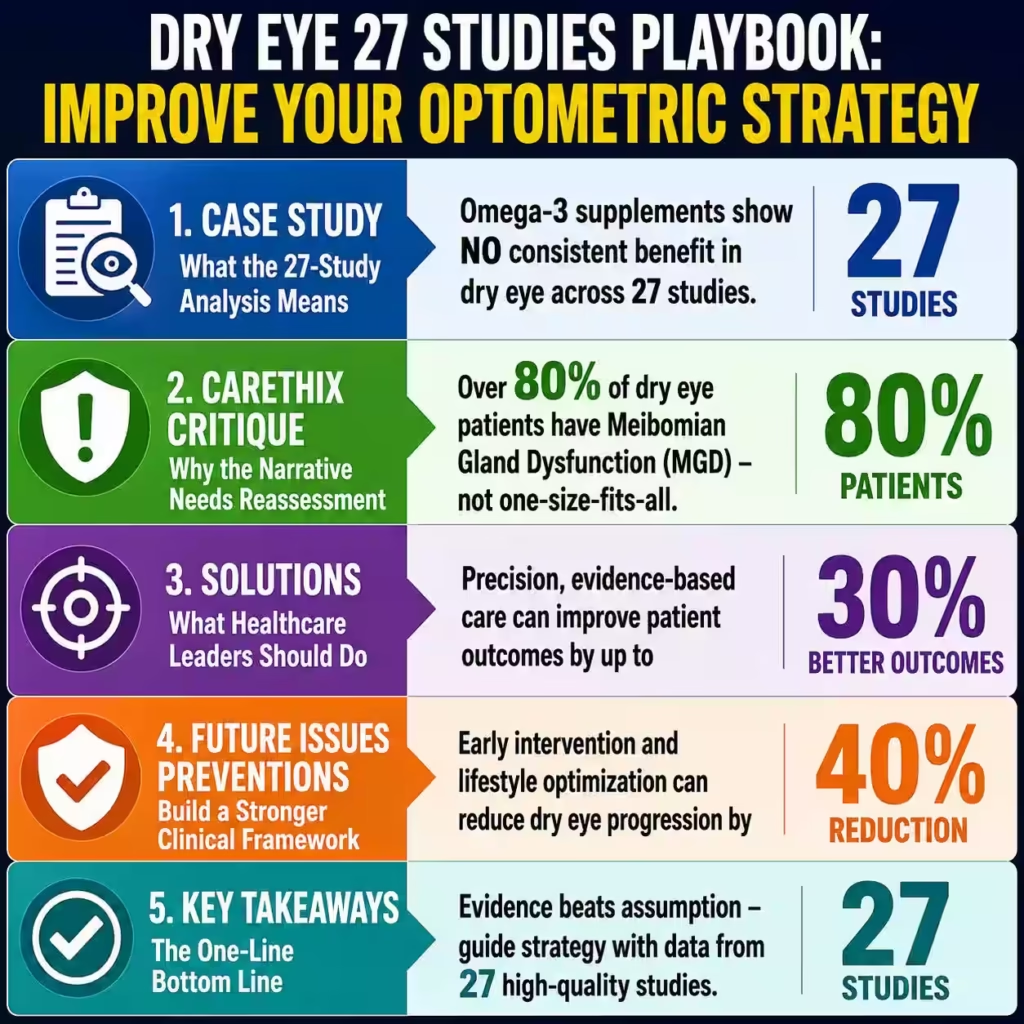
Case Study: What the 27-Study Analysis Means for Dry Eye Management
A systematic review and meta-analysis published in BMC Ophthalmology evaluated 27 clinical studies published between 2007 and 2024 and concluded that oral Omega-3 supplementation significantly improves all primary clinical outcomes across pooled populations, but notes that clinical success is highly dependent on disease subtype and targeted patient profiling.
This finding challenges nearly two decades of routine supplement recommendations and highlights the need for evidence-based treatment strategies rather than relying on generalized nutritional interventions. For healthcare providers, the message is not that omega-3 supplements are ineffective in every patient, but that they should no longer be viewed as a universally reliable first-line solution.
Dry eye disease has become one of the most common ocular surface disorders worldwide. Recent epidemiological studies estimate that approximately 5% to 50% of adults globally experience dry eye symptoms depending on diagnostic criteria, age, geography, and environmental exposure. In the United States alone, more than 16 million adults carry a formal diagnosis of dry eye disease, while population-based estimates suggest that 30 million to nearly 50 million people experience symptoms that affect daily activities, workplace productivity, and quality of life.
The economic burden is equally significant. Annual direct and indirect healthcare costs associated with dry eye disease are estimated to exceed several billion dollars in the United States, with repeated clinic visits, artificial tears, prescription therapies, workplace absenteeism, and reduced productivity contributing substantially to expenditure. Digital screen exposure, aging populations, autoimmune disorders, contact lens use, refractive surgery, environmental pollution, and systemic medications continue to increase disease prevalence across both developed and developing healthcare systems.
The new meta-analysis also provides an important scientific clarification. Earlier studies, including influential investigations published around 2005, suggested improvements in tear stability and ocular surface health with omega-3 supplementation, encouraging widespread clinical adoption. However, subsequent randomized controlled trials produced inconsistent outcomes because of differences in supplement formulations, EPA-to-DHA ratios, dosage, treatment duration, patient selection, baseline nutritional status, inflammatory profiles, and diagnostic criteria. From a healthcare consultancy perspective, this variation illustrates why clinical decisions should prioritize high-quality aggregated evidence over isolated positive trials.
Carethix believes this evidence reinforces an important principle in modern healthcare delivery: nutritional supplementation should complement individualized clinical management rather than replace structured diagnostic evaluation. Precision medicine, standardized disease classification, objective tear-film assessment, and targeted treatment pathways are becoming increasingly important as dry eye disease continues to evolve into a significant chronic healthcare challenge.
Carethix Critique: Why the Current Dry Eye Supplement Narrative Requires Reassessment
Carethix believes the latest systematic review should prompt healthcare organizations to re-evaluate routine omega-3 supplementation in dry eye disease using stronger evidence standards. The meta-analysis synthesized 27 clinical studies published between 2007 and 2024, yet still found no consistent clinical benefit, despite omega-3 supplementation being recommended for nearly two decades. This inconsistency is particularly important because dry eye disease affects an estimated 16.4 million diagnosed adults in the United States, while broader epidemiological studies indicate that 30–50 million Americans experience symptoms and global prevalence ranges from 5% to 50% depending on diagnostic criteria.
One of the biggest clinical gaps is disease heterogeneity. Dry eye disease includes aqueous-deficient dry eye, evaporative dry eye, mixed disease, meibomian gland dysfunction (MGD), autoimmune-associated disease, neurotrophic abnormalities, and inflammatory ocular surface disorders, each requiring different therapeutic approaches. Studies estimate that more than 80% of dry eye patients demonstrate some degree of meibomian gland dysfunction, while autoimmune diseases such as Sjögren’s syndrome account for approximately 10% of severe aqueous-deficient cases, making a universal nutritional intervention scientifically difficult to justify.
Carethix also identifies significant methodological variability across published research. Clinical trials have used omega-3 dosages ranging from 500 mg to over 3,000 mg daily, treatment durations varying between 6 weeks and 12 months, different EPA:DHA ratios, different placebo formulations, and multiple diagnostic endpoints including OSDI scores, Tear Break-Up Time (TBUT), Schirmer test values, corneal fluorescein staining, and tear osmolarity. Such variability introduces considerable clinical heterogeneity and reduces confidence when translating positive findings into standardized healthcare protocols.
Patient expectations represent another overlooked healthcare challenge. The global omega-3 supplement market exceeds USD 8 billion annually, with dietary supplements frequently marketed as supportive for cardiovascular, neurological, and ocular health. Many patients therefore begin supplementation before receiving a comprehensive ophthalmic evaluation, delaying evidence-based therapies that directly target inflammation, tear instability, eyelid dysfunction, or ocular surface damage.
The financial implications are equally important. Dry eye disease is estimated to generate billions of dollars annually in direct medical costs and productivity losses in the United States, with some economic analyses estimating average annual management costs exceeding USD 700–1,200 per patient depending on disease severity and treatment intensity. Recommending interventions with inconsistent clinical benefit increases cumulative healthcare expenditure while potentially delaying therapies with stronger evidence.
Carethix further highlights quality variation within commercially available supplements. Omega-3 products differ substantially in EPA concentration, DHA concentration, oxidation status, triglyceride versus ethyl ester formulation, purity testing, manufacturing standards, and contaminant screening. Two patients may both consume “1,000 mg omega-3” while receiving substantially different biological exposure, making clinical consistency difficult both in research and routine practice.
Ultimately, Carethix believes this evidence should not discourage nutritional research but instead reinforce evidence-based healthcare governance. Clinical recommendations should evolve according to high-quality systematic evidence rather than historical prescribing habits, biological plausibility, or commercial popularity. Healthcare organizations that routinely audit treatment protocols against current evidence are more likely to improve patient outcomes, optimize healthcare spending, and strengthen clinical credibility.
Solutions: Building an Evidence-Based Dry Eye Care Strategy
Carethix recommends replacing generalized supplement recommendations with structured, evidence-based dry eye management pathways. Every patient presenting with persistent ocular discomfort should undergo standardized assessment using validated tools such as the Ocular Surface Disease Index (OSDI), Tear Break-Up Time (TBUT), Schirmer test, corneal fluorescein staining, conjunctival lissamine green staining, tear osmolarity measurement, and meibography where available. Combining subjective symptoms with objective biomarkers significantly improves diagnostic precision and reduces inappropriate treatment selection.
Risk stratification should become a mandatory component of ophthalmology practice. High-risk populations include adults aged over 50 years, postmenopausal women, individuals with diabetes, thyroid disease, rheumatoid arthritis, systemic lupus erythematosus, Sjögren’s syndrome, chronic antihistamine use, antidepressant therapy, glaucoma medication exposure, refractive surgery history, and prolonged digital device users. Digital workers frequently spend 7–10 hours daily using visual display terminals, while blink frequency can decline from approximately 15–20 blinks per minute to as few as 5–7 blinks per minute, substantially increasing tear evaporation.
Treatment algorithms should prioritize interventions supported by stronger clinical evidence. Preservative-free lubricating eye drops, lipid-based artificial tears, warm compress therapy, eyelid hygiene, meibomian gland expression, prescription anti-inflammatory agents such as topical cyclosporine or lifitegrast where clinically indicated, punctal occlusion for selected patients, intense pulsed light (IPL) therapy in appropriate MGD cases, and environmental modifications all demonstrate greater consistency within current clinical guidelines. Omega-3 supplementation may remain appropriate for selected individuals following nutritional assessment, but it should no longer be presented as a universally effective therapy.
Healthcare organizations should also strengthen patient education using measurable outcome targets. Patients should understand that dry eye disease is a chronic inflammatory condition requiring ongoing management rather than expecting improvement within only a few weeks of supplementation. Establishing follow-up intervals at 6–12 weeks, monitoring OSDI improvement, TBUT changes, ocular staining reduction, and patient-reported symptom scores allows clinicians to objectively evaluate therapeutic response instead of relying solely on subjective perception.
Integrated multidisciplinary care offers another opportunity for measurable improvement. Ophthalmologists, optometrists, rheumatologists, endocrinologists, primary care physicians, nutrition specialists, pharmacists, and occupational health teams should collaborate for patients with systemic inflammatory disease or complex ocular surface disorders. Early referral pathways reduce fragmented care, improve identification of systemic contributors, and increase the likelihood of sustained symptom control.
Healthcare systems should also implement clinical governance through standardized quality indicators. Monitoring treatment adherence, follow-up completion rates, symptom improvement, ocular surface healing, adverse events, and patient satisfaction enables continuous quality improvement while supporting value-based healthcare delivery. Data-driven ophthalmology services are increasingly essential as aging populations and digital lifestyles continue increasing dry eye prevalence worldwide.
Prevention: Reducing Future Dry Eye Burden Through Population Health
Carethix emphasizes that prevention should begin long before chronic ocular surface inflammation develops. Global digitalization has dramatically increased exposure to computers, smartphones, and tablets, with many office professionals exceeding 8 hours of daily screen time and adolescents frequently surpassing 6 hours outside educational activities. Reduced blink frequency, incomplete blinking, increased tear evaporation, and prolonged visual concentration collectively increase the risk of evaporative dry eye disease.
Healthcare organizations should implement preventive occupational eye health programs. The 20-20-20 rule, scheduled blink exercises, workstation ergonomics, monitor positioning approximately 20–28 inches from the eyes, humidity maintenance between 40% and 60%, and minimizing direct air conditioning exposure can substantially reduce ocular surface stress. Preventive workplace education has the potential to reduce symptom severity while improving visual comfort and employee productivity.
Population screening should prioritize individuals with elevated clinical risk. Adults older than 60 years, postmenopausal women, autoimmune disease patients, contact lens users, individuals receiving systemic medications known to reduce tear production, glaucoma patients requiring chronic topical therapy, and people with previous ocular surgery should receive routine ocular surface assessment during annual eye examinations. Early intervention prevents progression toward chronic inflammation, corneal epithelial damage, recurrent infections, and persistent visual impairment.
Public health education should discourage indiscriminate supplement use without professional assessment. Surveys consistently demonstrate that dietary supplement utilization continues increasing globally, yet many consumers assume that “natural” products are universally beneficial despite variable evidence of quality. Educational initiatives should encourage evidence-based decision-making while emphasizing comprehensive ophthalmic evaluation before initiating long-term supplementation.
Future clinical research must also become considerably more standardized. Randomized controlled trials should use consistent EPA:DHA formulations, standardized dosages, treatment durations exceeding 6–12 months where appropriate, validated diagnostic criteria from the Tear Film & Ocular Surface Society (TFOS), objective inflammatory biomarkers, nutritional status assessment, and predefined clinical endpoints. Standardization will improve evidence quality and enable stronger international clinical guidelines.
Healthcare organizations should additionally leverage electronic health records and ophthalmology registries to generate real-world evidence. Monitoring longitudinal patient outcomes, medication utilization, healthcare costs, symptom trajectories, quality-of-life measures, and adverse events across thousands of patients allows continuous refinement of treatment pathways. Real-world evidence increasingly complements randomized trials and supports precision medicine in ophthalmology.
Gap Analysis: Closing the Evidence-to-Practice Divide
Carethix identifies a substantial evidence-to-practice gap within current dry eye management. Despite a systematic review synthesizing 27 clinical studies through January 2025 demonstrating inconsistent omega-3 benefit, supplementation continues to be routinely recommended in many clinical settings based largely on earlier positive studies published nearly 20 years ago. This delay in translating updated evidence into routine practice illustrates a common challenge in healthcare quality improvement.
A diagnostic gap also remains significant. Studies indicate that signs and symptoms of dry eye frequently correlate poorly, with some patients reporting severe discomfort despite relatively mild objective findings, while others demonstrate substantial ocular surface abnormalities with limited symptoms. Reliance solely on patient complaints without comprehensive testing increases the likelihood of diagnostic inaccuracy, delayed intervention, and inconsistent treatment outcomes.
Carethix further identifies an implementation gap within healthcare delivery. Many primary care clinics and even ophthalmology practices do not consistently perform tear osmolarity testing, meibography, inflammatory marker assessment, or standardized symptom scoring because of equipment availability, reimbursement limitations, workflow constraints, or time pressures. Consequently, treatment often begins before clinicians fully characterize disease subtype or severity.
An education gap affects both clinicians and patients. Healthcare professionals must continuously update clinical practice according to emerging systematic reviews rather than relying primarily on individual trials, while patients require realistic expectations regarding chronic disease management. Continuing professional education, updated institutional clinical pathways, shared decision-making models, and evidence-based patient counseling reduce misinformation and improve adherence to effective therapies.
Research gaps also remain despite the current meta-analysis. Future investigations should identify whether patients with specific inflammatory phenotypes, nutritional deficiencies confirmed through laboratory testing, defined omega-3 index levels, autoimmune disorders, or genetic biomarkers derive greater benefit than the general dry eye population. Precision ophthalmology represents the logical next phase of clinical research because individualized treatment selection is likely to outperform universal supplementation strategies.
Carethix concludes that closing these evidence, diagnostic, implementation, education, and research gaps will require coordinated leadership from healthcare organizations, professional societies, academic institutions, regulatory agencies, and clinicians. Organizations that continuously align clinical pathways with emerging evidence will improve patient outcomes, strengthen quality performance indicators, reduce unnecessary healthcare expenditure, and build greater confidence in evidence-based ophthalmic care.
Carethix Key Takeaway
Carethix views the 27-study meta-analysis as an important milestone in evidence-based ophthalmology rather than a rejection of nutritional science. The findings demonstrate that routine omega-3 supplementation should not be considered a universally effective treatment for dry eye disease, and healthcare organizations should update clinical pathways accordingly. Strong healthcare leadership requires adapting recommendations as evidence evolves instead of maintaining historical practices.
The future of dry eye management depends on precision diagnostics, individualized treatment selection, multidisciplinary collaboration, standardized clinical pathways, and continuous outcome measurement. Healthcare systems that integrate objective assessment with evidence-based interventions will deliver higher-value care, improve patient outcomes, optimize healthcare spending, and strengthen long-term clinical quality.