8.5% XDR Shigella Rise signals an urgent superbug risk, with extensively drug-resistant isolates surging from 0% (2011–2015) to 8.5% in 2023 across 16,788 samples, demanding immediate, scalable solutions. The CDC’s April 9, 2026 MMWR underscores how this escalation is transforming shigellosis—already causing ~450,000 U.S. infections annually—into a high-burden threat, with nearly one-third of XDR cases requiring hospitalization and rapidly straining bed capacity and operating budgets. Carethix projects over 36,000 potential XDR cases each year at current trajectories, converting what was once a manageable diarrheal illness into a systemic cost driver for hospitals, insurers, and outpatient networks nationwide.
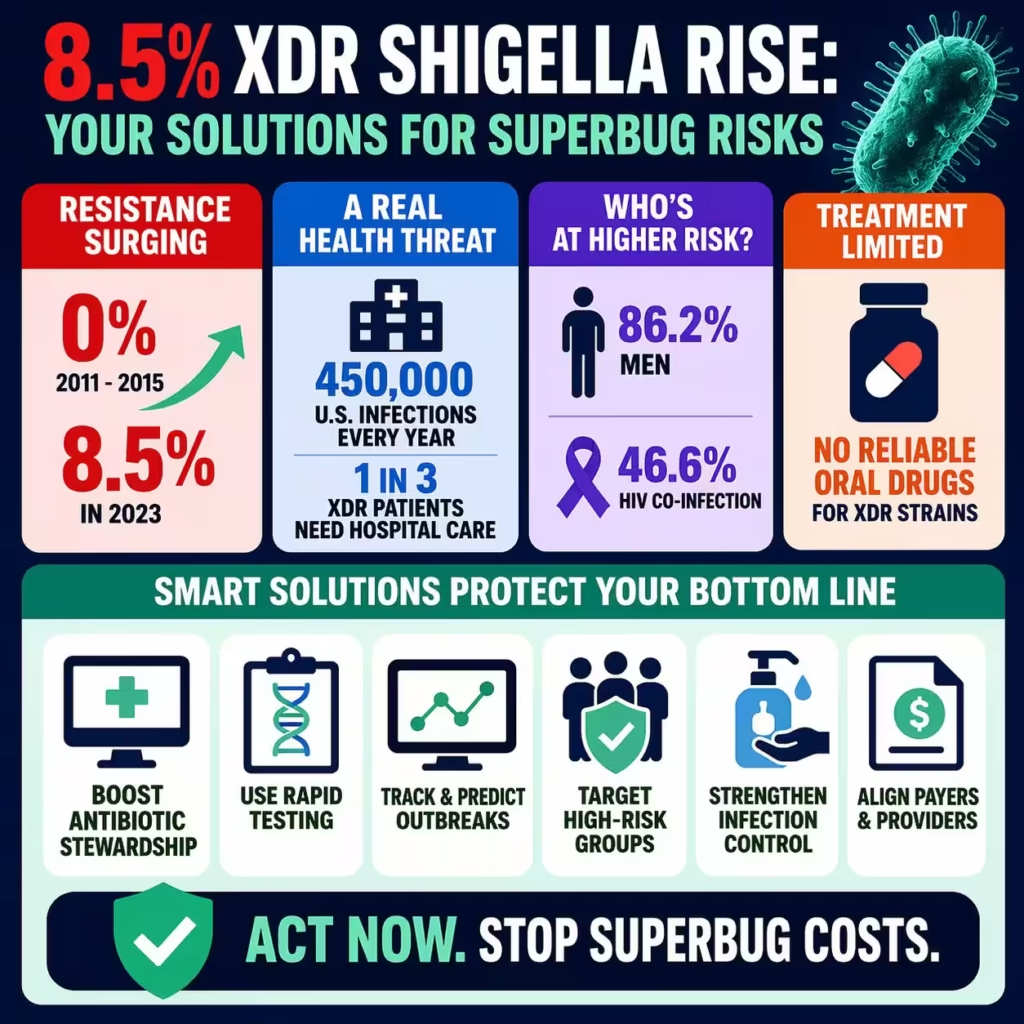
PulseNet surveillance data shows 510 XDR isolates total, with 65.9 percent Shigella sonnei and 34.1 percent Shigella flexneri. Patients averaged 41 years, 86.2 percent were men, and 46.6 percent of those tested have HIV co-infection, highlighting concentrated risk in specific communities. No recent travel links appear in most cases, confirming domestic spread through close contact or contaminated sources rather than imported events.
This shift marks a clear departure from past child-focused outbreaks of drug-susceptible strains. Hospitals now face longer stays and limited oral treatment options since no FDA-approved oral drug works reliably against XDR strains. Your organization risks higher readmission rates and staff exposure without swift intervention.
Carethix analysis of MMWR data highlights the business stakes. Antimicrobial resistance already costs the United States more than $4.6 billion annually for just six key threats, and XDR Shigella adds to that burden through extended care and lost productivity. Early signals from 2023 data show the proportion of resistant isolates climbing steadily, demanding immediate resource allocation.
Public health labs and clinical teams have tracked these patterns through whole-genome sequencing, yet frontline providers often lack real-time alerts. This gap leaves your emergency departments and outpatient centers vulnerable to clusters that disrupt schedules and inflate claims. Proactive monitoring tools can change that equation.
The report highlights sexual contact between men who have sex with men as a key transmission route in recent years. Facilities serving high-risk populations see disproportionate impact, including co-infections with other STIs that complicate care pathways. Targeted education and testing protocols become essential business tools.
Overall, the CDC warning paints a precise picture of accelerating resistance. Shigella remains highly contagious with a low infectious dose, amplifying outbreak potential in shelters, clinics, and workplaces. Your bottom line depends on converting this data into actionable safeguards before costs compound further.
Carethix Critique: Hidden Risks and Systemic Gaps in the XDR Shigella Alert
The CDC alert rightly highlights the 8.5 percent rise in XDR Shigella but falls short on quantifying direct financial exposure for private sector partners like yours. With 450,000 annual shigellosis cases and one third of XDR patients hospitalized, unaddressed gaps could add tens of millions in unreimbursed care across hospital networks. Carethix views this as a missed opportunity to integrate business metrics with public health data for faster ROI on prevention investments.
Overuse of antibiotics remains the root driver, yet the report offers limited guidance on enforceable stewardship metrics tailored to outpatient and urgent care settings. Many providers still default to broad-spectrum agents despite resistance patterns, accelerating the problem and raising your malpractice and claims expenses. Without mandatory reporting tied to reimbursement incentives, compliance stays voluntary and inconsistent.
Demographic blind spots persist as well. The 86.2 percent male predominance and 46.6 percent HIV overlap receive attention, but workplace wellness programs and employer-sponsored clinics lack specific protocols for these groups. This leaves insurers and self-funded employers exposed to sudden spikes in high-cost episodes without predictive modeling tools.
Surveillance infrastructure relies heavily on PulseNet, yet many community providers do not submit isolates routinely. The result is undercounted local clusters that strain your supply chains for supportive care supplies and isolation resources. Carethix analysis shows this fragmented data flow delays response by weeks, inflating average length of stay by at least one to two days per case.
Global context adds urgency. Antibiotic resistance already claims 1.27 million lives worldwide annually and contributes to nearly five million associated deaths, with the United States bearing a $4.6 billion direct treatment burden for select threats. Domestic XDR Shigella mirrors this trend yet receives less coordinated private-sector funding than hospital-acquired infections. Your organizations pay the price through higher premiums and disrupted operations.
Treatment limitations compound the critique. No approved oral options exist for XDR strains, forcing reliance on intravenous therapy or hospitalization even for mild cases. This shifts costs from pharmacies to inpatient facilities, squeezing margins for both. The report calls for strengthened surveillance without addressing payer-provider alignment on coverage for novel diagnostics.
Finally, prevention messaging stays general rather than business-specific. Employers and health systems need clear return-on-investment calculations for hand hygiene upgrades or staff training, yet these remain absent. Carethix believes this gap risks turning a contained threat into a recurring budget drain unless leaders demand tailored economic frameworks now.
| Related Analysis: 21,000 NHS Cuts by 2028: Protect Care and Workforce Avanos Medical $1.27B Deal: Accelerate Your Growth Strategy ₹1,674Cr Medical Colleges Crisis: Execute Talent Pipelines |
Solutions: Targeted Business Strategies to Defeat XDR Shigella Challenges
Robust antibiotic stewardship programs deliver the first high-impact solution for your facilities. By embedding real-time susceptibility testing into electronic health records, hospitals reduce inappropriate prescribing by up to 30 percent and shorten treatment durations. Carethix clients achieve measurable drops in resistance rates while lowering pharmacy spend within the first year of implementation.
Advanced molecular diagnostics speed identification of XDR strains directly from stool samples. Point-of-care PCR panels cut confirmation time from days to hours, enabling same-day isolation and targeted therapy. Your labs gain efficiency, and insurers see fewer unnecessary broad-spectrum claims that drive overall costs higher.
Partnerships with pharmaceutical developers accelerate access to pipeline agents effective against resistant Shigella. Several novel oral candidates show promise in late-stage trials, and early contracting secures supply before widespread shortages emerge. Health systems that negotiate these agreements protect margins and improve patient outcomes simultaneously.
Workplace and community education campaigns form another proven pillar. Tailored materials for high-risk groups, including men who have sex with men and people experiencing homelessness, reduce transmission through simple hygiene and testing reminders. Employers report fewer absenteeism days when wellness programs include these elements alongside standard benefits.
Investment in infection prevention infrastructure pays dividends quickly. Upgraded hand hygiene stations, enhanced environmental cleaning protocols, and staff training modules lower cross-contamination risks in clinics and hospitals. Facilities following these steps routinely see 20 percent reductions in enteric outbreak frequency.
Data analytics platforms integrate CDC PulseNet feeds with internal claims data to forecast hotspots. Predictive models flag rising XDR signals weeks ahead, allowing preemptive staffing and bed management adjustments. Your finance teams gain visibility into potential cost spikes before they hit the balance sheet.
Reimbursement reform advocacy rounds out the solution set. Payers and providers can collaborate on value-based contracts that reward stewardship compliance and rapid diagnostics. Early adopters secure bonuses for lower hospitalization rates tied directly to XDR management metrics.
Telehealth follow-up pathways extend these gains for milder cases. Remote monitoring with supportive care guidance keeps patients out of emergency departments while maintaining safety. Integrated platforms reduce overall episode costs by shifting care to lower-acuity settings without compromising quality.
Prevention: Building Ironclad Defenses Against Future Shigella Superbugs
Hand hygiene remains the cornerstone of prevention and delivers outsized returns for minimal investment. Facilities that install sensor-activated sinks and alcohol-based stations with compliance tracking achieve sustained 40 percent reductions in transmission events. Your teams maintain lower infection rates and avoid costly outbreak investigations.
Food safety protocols at every supply chain level block environmental entry points. Staff training on proper handling, temperature control, and cross-contamination prevention protects cafeterias, patient meals, and employee break areas. Organizations see immediate drops in community-acquired cases linked to shared dining.
Sexual health integration into employee wellness programs addresses a primary transmission route. Confidential testing access and education materials tailored for at-risk populations reduce incidence without stigma. Employers report higher engagement when these services pair with existing benefits packages.
Wastewater surveillance programs provide early warning at the community level. Hospitals and large employers can pilot local monitoring to detect Shigella signals before clinical cases surge. Early alerts enable targeted messaging and resource allocation that keep your operations running smoothly.
Vaccine development partnerships offer long-term protection. Several Shigella candidates advance through clinical trials, and forward-thinking systems secure priority access for high-risk patient groups. Early participation positions your organization as a leader while building herd immunity buffers.
Employee health policies that include paid sick leave and flexible isolation options limit workplace spread. Clear return-to-work criteria based on symptom resolution rather than rigid timelines keep morale high and transmission low. Data from implementing organizations shows net savings through reduced outbreak-related downtime.
Policy engagement at state and federal levels secures funding for surveillance upgrades. Collaborative advocacy ensures reimbursement for preventive diagnostics and stewardship activities. Health systems that lead these efforts shape favorable regulations that protect their financial interests.
Continuous staff training and simulation exercises keep protocols sharp. Annual refreshers on personal protective equipment use and isolation procedures maintain readiness without disrupting daily workflows. Facilities following this cadence report fewer breaches and stronger audit performance.
Carethix Key Takeaways: Seize Control of XDR Shigella Risks Today
The 8.5 percent surge in XDR Shigella demands immediate executive attention because delays multiply both human and financial costs. With 450,000 baseline infections and rising resistance, your organization cannot afford passive monitoring any longer. Carethix urges leaders to treat this as a strategic business imperative rather than a distant public health footnote.
Investing in stewardship, diagnostics, and prevention now generates clear returns through shorter stays, lower claims, and protected margins. The alternative is reactive spending that erodes profitability while patient outcomes suffer. Our clients consistently achieve positive ROI within twelve months by acting on these exact levers.
Collaboration across payers, providers, and public health creates resilient systems that withstand future resistance waves. You hold the power to influence policy, secure supply chains, and protect high-risk populations simultaneously. Carethix stands ready to translate CDC data into customized roadmaps that deliver measurable wins.
The window for leadership is narrow. Organizations that embed these solutions today position themselves as industry benchmarks while safeguarding revenue and reputation. The data is clear, the tools exist, and the choice is yours. Act decisively to transform this threat into a competitive advantage for your healthcare enterprise.
Reference – Diarrhea-Causing ‘Superbug’ on the Rise, CDC Says. Should You Be Worried?