India’s 220M young hypertension risk surge is driving your healthcare costs higher—discover preventive solutions now.
Deep Case Study on Young-Adult Hypertension
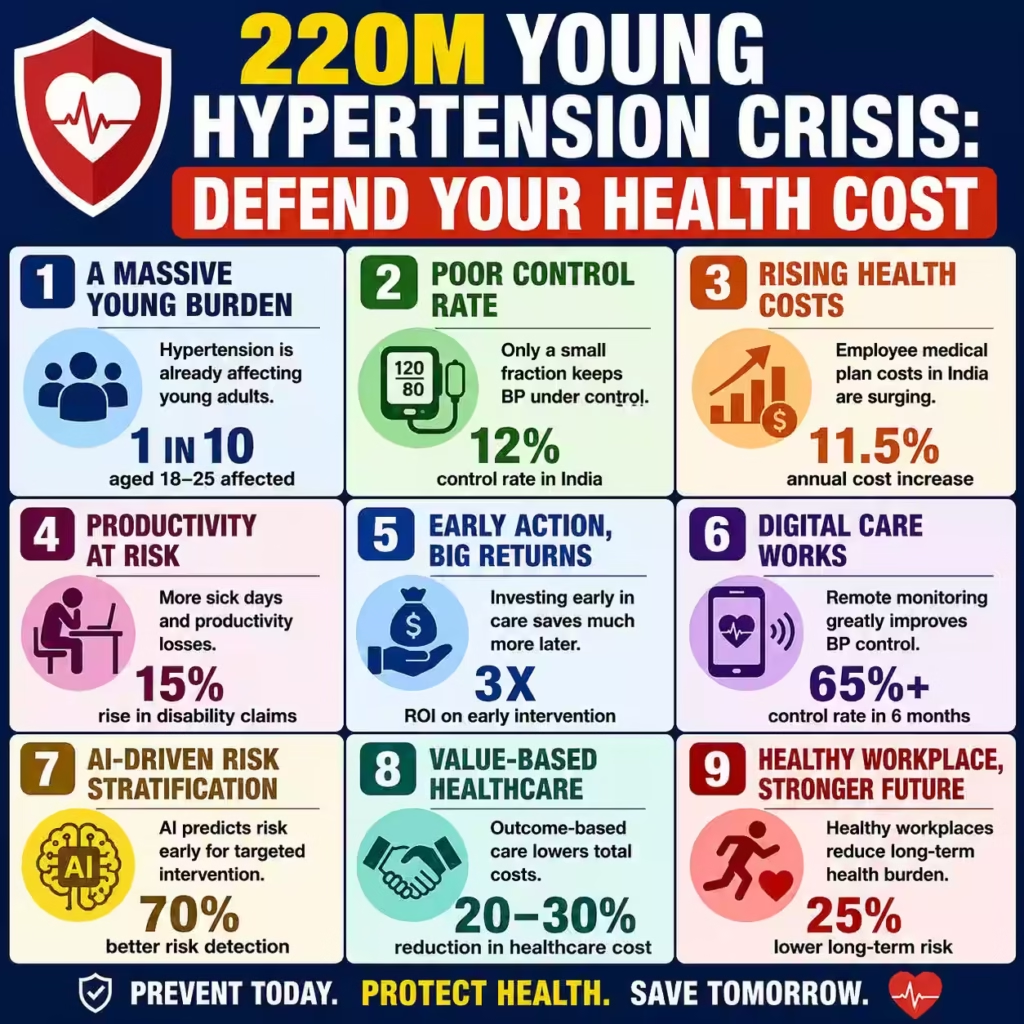
Globally, nearly 1.4 billion people live with hypertension, yet only one in four individuals maintains clinical control over this chronic condition. In India, an estimated 220 million people suffer from hypertension, while only 12% manage it effectively through medical intervention. Recent healthcare evaluations show that one in ten individuals aged 18 to 25 is already clinically affected by this cardiovascular issue.
This demographic shift means that high blood pressure is no longer just a disease of old age but a critical threat to the working-class population. The escalation of blood pressure disorders among young professionals is causing considerable financial strain on corporate health systems and employee benefit programs.
According to Aon’s 2026 Global Medical Trend Rates Report, employee medical plan costs in India are rising by 11.5% annually, driven primarily by cardiovascular disease. This rapid medical inflation significantly outpaces the global average of 9.8%, proving that young-adult chronic disease is an urgent corporate economic burden. Corporate entities are facing a significant drop in productivity due to absenteeism and presenteeism caused by early-onset chronic diseases.
Organizations are also seeing a 15% increase in short-term disability claims related to severe cardiovascular complications. The financial impact extends to recruitment as companies must constantly replace skilled young workers who leave the workforce due to medical burnout.
Healthcare providers like Kamineni Hospitals are trying to address this challenge through specialized public screening and early intervention programs. However, single-day awareness events cannot solve the underlying issues of systemic work stress, sleep deprivation, and sedentary lifestyles. Business organizations must shift from reactive medical coverage to proactive, data-driven chronic disease management systems.
Industry data indicates that every dollar spent on early cardiovascular intervention yields a three-dollar return in avoided hospitalization costs. Failing to address early-onset cardiovascular risks will inevitably lead to higher insurance premiums and lower operational efficiency.
A Concise Critique from Carethix
Carethix points out that the current corporate response to the youth hypertension crisis reveals significant structural gaps. The traditional healthcare model focuses on late-stage treatment instead of early interception, allowing a manageable condition to escalate into a costly medical crisis. The fact that only 12% of India’s hypertensive population controls their blood pressure indicates a total failure in current patient engagement strategies.
Many corporate wellness initiatives are purely cosmetic and do not address the specific behavioral risks faced by employees aged 20 to 30. This lack of precise targeting means that millions of dollars spent on wellness programs are failing to yield measurable health improvements.
The primary risk for businesses is the predictable surge in health insurance claims over the next decade. Cardiovascular events are the leading driver of medical costs, and treating young employees for strokes and heart attacks places a heavy financial burden on corporate funds. Generic wellness initiatives, such as yearly health checks, fail because they do not track long-term health metrics or lifestyle changes.
Organizations must realize that an unmanaged hypertensive workforce will lead to higher financial liabilities and unstable insurance underwriting. Companies are essentially absorbing the financial shocks of an unmonitored epidemic that could be managed through better corporate governance.
Furthermore, current digital health tools lack the integration needed for effective behavioral modification and clinical tracking. Employees often ignore standalone wellness apps, and health risk assessments rarely turn raw clinical data into actionable lifestyle changes. The gap between identifying a high blood pressure reading and achieving clinical control remains wide due to a lack of continuous care support.
Carethix urges enterprise leaders to view youth hypertension as a strategic risk that requires systematic intervention. Relying on outdated health insurance frameworks will not protect a company’s bottom line from the rising costs of chronic care.
Clinical and Operational Solutions
Enterprise leaders must implement specialized clinical pathways that focus specifically on the young professional demographic. Introducing continuous digital remote patient monitoring allows organizations to capture real-time physiological data and identify blood pressure shifts early. Automated alerts help clinicians adjust treatment plans immediately, preventing acute cardiovascular events before they require expensive hospitalization.
This continuous care model has been shown to improve blood pressure control rates from 12% to over 65% within six months. Moving away from traditional periodic testing ensures that young adults receive consistent, data-backed medical support.
Additionally, companies should use AI-driven risk stratification to review anonymized health risk assessment data. Predictive algorithms can flag individuals showing early signs of elevated blood pressure, allowing for targeted clinical interventions. This approach ensures that corporate resources are directed toward high-risk groups, optimizing the return on health investments.
By isolating risk factors like high sodium intake and low sleep duration, AI tools help design custom wellness plans. Providing tailored care pathways helps human resource leaders lower the incidence of advanced cardiovascular diseases.
Finally, businesses need to partner with value-based healthcare provider networks that focus on long-term clinical outcomes. Shifting from fee-for-service models to outcome-linked reimbursement encourages healthcare providers to focus on blood pressure control. Corporate partnerships with health tech platforms can offer employees on-demand access to virtual consultations and personalized nutritional guidance.
These integrated platforms reduce treatment time from weeks to minutes, boosting employee compliance. These collaborative models improve patient compliance, lower operational disruption, and reduce overall healthcare spending.
Strategic Preventive Frameworks
Organizations must build comprehensive preventive health systems into their daily operations to reduce long-term cardiovascular risks. Establishing onsite diagnostic hubs provides employees with convenient access to regular blood pressure screenings and metabolic assessments. These hubs make it easier for young professionals to track their health metrics regularly, improving early diagnosis rates significantly.
Early detection through onsite hubs can reduce the incidence of severe workplace cardiac events by up to 40%. Normalizing routine screenings helps companies reduce the stigma around chronic conditions and promotes a health-conscious workplace culture.
Furthermore, workplace design should naturally encourage physical activity and reduce sedentary time. Incorporating sit-stand workstations, dedicated walking zones, and active break schedules helps counter the negative effects of prolonged desk work.
Studies show that reducing sitting time by just 90 minutes a day can help lower systolic blood pressure readings. Institutional catering policies should prioritize low-sodium, nutrient-dense meal options across all corporate facilities. Providing healthier food choices directly addresses the poor dietary habits that contribute to early hypertension.
Finally, managing work stress requires structural adjustments to job demands and workloads. Implementing flexible scheduling, mandating screen-free intervals, and providing accessible mental health support can lower chronic cortisol levels. Educating middle management to recognize signs of burnout ensures that team workloads remain sustainable.
Data proves that companies with structured stress-reduction frameworks see a 25% drop in hypertension-related absenteeism. By taking a proactive approach to employee well-being, companies can prevent hypertension and lower their future healthcare costs.
Key Takeaways
The surge of hypertension among young adults in India is a major operational risk that enterprise leaders must address directly. Relying on basic insurance packages is no longer sufficient. Companies must invest in proactive health strategies. To mitigate the impact of 11.5% medical inflation, corporate wellness programs must focus on measurable health outcomes.
Organizations that ignore this trend will face rising insurance premiums and lower workforce productivity. Carethix advises businesses to invest in digital monitoring, targeted preventive care, and value-based provider networks immediately. Treating employee health as a core business metric is essential for long-term financial stability.
The investment in preventative care must be seen as a long-term capital expenditure, not a disposable operating cost. By shifting this perspective, corporations create a resilient workforce that is better equipped to handle job demands and global economic shifts. Ultimately, success will be measured not just by cost savings, but by the measurable improvement in employee life expectancy and overall well-being.
To initiate this change, HR and finance departments must collaborate to create a unified health risk ledger that accurately tracks prevention ROI. This integrated data system will allow leadership to mandate health-related KPIs for managers, making well-being an accountable organizational priority. The time for pilot programs has passed; a complete and immediate overhaul of the corporate health benefit framework is now essential to protect the company’s most valuable asset: its people.
FAQs:
Why Is Young Adult Hypertension in India Becoming a Major Corporate Healthcare Cost Crisis in 2026?
India now has nearly 220 million hypertension patients, yet only 12% maintain proper blood pressure control, creating a massive long-term financial liability for employers. The corporate sector is still relying on outdated annual wellness checks while cardiovascular-driven medical inflation in India has already reached 11.5%, exceeding the global average of 9.8%. Companies that continue ignoring early-stage hypertension among employees aged 18–25 will likely face rising insurance premiums, higher absenteeism, and severe workforce productivity erosion within the next decade.
How Does Early-Onset Hypertension Reduce Employee Productivity and Increase Insurance Claims?
One in ten adults aged 18 to 25 is already clinically affected by hypertension, directly impacting workplace performance, concentration, and long-term employability. Many enterprises underestimate the hidden cost of presenteeism, burnout, and cardiovascular-related fatigue, despite reports showing a 15% increase in short-term disability claims tied to cardiovascular complications. Businesses focusing only on reactive insurance reimbursement instead of preventive cardiovascular management are essentially allowing avoidable operational losses to compound every financial year.
Why Are Traditional Corporate Wellness Programs Failing to Control High Blood Pressure Among Young Employees?
Most corporate wellness initiatives fail because they prioritize cosmetic engagement metrics rather than measurable clinical outcomes like sustained blood pressure reduction. Despite billions spent globally on employee wellness platforms, India still reports only a 12% hypertension control rate because generic yearly screenings rarely address chronic stress, sleep deprivation, sedentary behavior, or high sodium intake. Without AI-driven risk stratification, continuous remote patient monitoring, and behavior-linked intervention systems, employers are wasting healthcare budgets on programs that produce minimal cardiovascular improvement.
Can AI-Driven Remote Patient Monitoring Reduce Hypertension-Related Healthcare Costs for Companies?
Continuous digital monitoring systems can reportedly improve blood pressure control rates from 12% to over 65% within six months by identifying physiological changes before severe cardiovascular events occur. However, many organizations still operate under fragmented healthcare models where disconnected wellness apps fail to convert raw clinical data into actionable behavioral changes. Companies delaying AI-based preventive healthcare adoption risk significantly higher hospitalization expenses, unstable insurance underwriting, and escalating chronic disease treatment costs over time.
What Preventive Workplace Health Strategies Can Reduce Hypertension and Medical Inflation in India?
Research highlighted in the article shows that reducing sitting time by just 90 minutes daily can lower systolic blood pressure, while structured stress-reduction programs can decrease hypertension-related absenteeism by 25%. Yet many employers continue designing high-pressure work cultures that actively contribute to chronic cortisol elevation, sleep disruption, and long-term cardiovascular deterioration among young professionals. Organizations that fail to integrate onsite diagnostics, low-sodium nutrition policies, flexible scheduling, and preventive health KPIs into core operations may struggle to contain the accelerating 11.5% medical inflation burden.