Lung cancer miR-214-5p risk urges healthcare leaders to strengthen immune strategy and optimize cancer care value.
Case Study: Lactate-Driven Immune Evasion Redefines Lung Adenocarcinoma Treatment Priorities
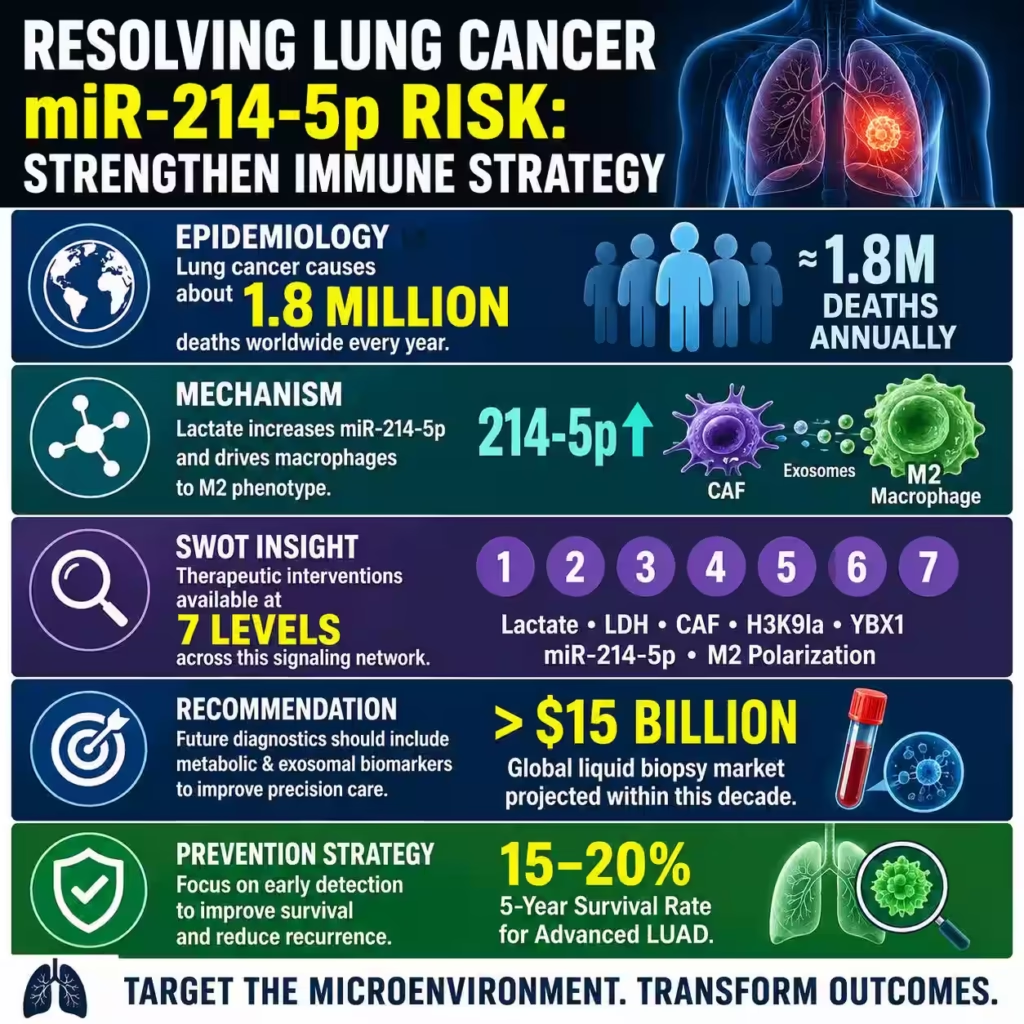
Lung adenocarcinoma (LUAD) research has identified a new mechanism in which tumor-derived lactate activates cancer-associated fibroblasts (CAFs), increasing exosomal microRNA miR-214-5p that drives macrophages toward the immunosuppressive M2 phenotype, while laboratory models showed that lactate dehydrogenase (LDH) inhibition reduced CAF activation, M2 polarization, miR-214-5p expression, and tumor growth. This finding addresses a major challenge in oncology because immune evasion remains one of the primary reasons for disease progression, treatment resistance, and recurrence. For healthcare organizations, pharmaceutical developers, and cancer centers, the evidence highlights opportunities to strengthen biomarker-driven precision oncology, tumor microenvironment targeting, and translational research.
Lung cancer remains the leading cause of cancer-related mortality worldwide, accounting for approximately 2.5 million new cases and about 1.8 million deaths annually according to recent global cancer estimates. Lung adenocarcinoma represents nearly 40% to 50% of all non-small cell lung cancer (NSCLC) cases, while NSCLC itself contributes roughly 85% of all lung cancers. Despite advances in molecular diagnostics, immunotherapy, and targeted therapies, five-year survival remains limited for patients diagnosed with advanced disease.
The newly identified lactate-CAF-macrophage signaling pathway changes how clinicians and researchers should interpret metabolic activity within the tumor microenvironment. Traditionally, lactate was viewed primarily as a metabolic waste product generated through aerobic glycolysis, commonly called the Warburg effect. Increasing evidence now demonstrates that lactate functions as an active signaling molecule capable of altering immune regulation, stromal biology, gene expression, and therapeutic response.
The reported mechanism identifies several interconnected biological events that expand current understanding of immune suppression. Lactate increases histone H3 lysine 9 lactylation (H3K9la), promoting miR-214-5p expression independently of the GPR81 receptor, while lactylation of the RNA-binding protein YBX1 enhances exosomal loading of miR-214-5p. These findings establish multiple intervention points extending beyond conventional checkpoint inhibition.
Clinical oncology increasingly recognizes that successful cancer treatment depends not only on eliminating malignant cells but also on modifying the surrounding tumor ecosystem. Cancer-associated fibroblasts constitute a substantial proportion of stromal cells within many solid tumors and directly influence angiogenesis, extracellular matrix remodeling, immune suppression, and metastatic potential. The current findings reinforce that metabolic interventions may influence numerous components of the tumor microenvironment simultaneously rather than targeting cancer cells alone.
Healthcare systems should interpret these findings as part of the broader evolution toward precision medicine. Molecular profiling currently evaluates driver mutations including EGFR, ALK, ROS1, BRAF, KRAS, MET, RET, HER2, and NTRK, alongside PD-L1 expression to guide treatment selection. Future diagnostic pathways may also include metabolic biomarkers, exosomal microRNAs, stromal activation markers, and immune microenvironment profiling to improve therapeutic stratification.
SWOT Analysis: Strategic Evaluation of Lactate–miR-214-5p Targeting
The principal strength of this discovery is the identification of multiple therapeutic intervention points across a single biological signaling network. Instead of targeting only malignant cells, clinicians may eventually intervene at seven major levels, including tumor lactate production, LDH activity, CAF activation, histone H3K9 lactylation, YBX1-mediated exosomal loading, miR-214-5p signaling, and macrophage M2 polarization. This systems-based strategy aligns with the ongoing evolution of precision oncology toward integrated biological network targeting.
The primary weakness remains limited clinical maturity. Approximately 90% of oncology compounds entering early clinical development fail before regulatory approval, while biomarker standardization, assay reproducibility, multicenter validation, and cost-effectiveness evidence remain incomplete for exosomal miR-214-5p. Until these challenges are addressed, routine implementation in clinical oncology will remain limited.
The opportunity extends across diagnostics, therapeutics, digital pathology, artificial intelligence, companion diagnostics, and liquid biopsy technologies. The global liquid biopsy market alone is projected to exceed US$15 billion within this decade, while AI-assisted precision oncology continues expanding rapidly across academic and commercial healthcare sectors. These trends provide favorable conditions for translating tumor microenvironment biomarkers into future clinical practice.
The major threats include tumor heterogeneity, regulatory complexity, reimbursement uncertainty, and biological variability between patients. Lung adenocarcinoma demonstrates substantial genomic, metabolic, and immunological diversity, meaning no single biomarker is likely to predict therapeutic response across every patient population. Consequently, future clinical success will depend on integrating multiple complementary biomarkers rather than relying on isolated molecular indicators.
Carethix Critique: The Tumor Microenvironment Remains Underutilized in Clinical Oncology
Carethix considers this study a significant reminder that modern oncology still concentrates heavily on tumor genomics while comparatively underutilizing metabolic and stromal biology in routine clinical practice. More than 85% of lung cancers are non-small cell lung cancers (NSCLC), and lung adenocarcinoma accounts for approximately 40% to 50% of NSCLC, yet therapeutic decision-making continues to rely primarily on genomic alterations such as EGFR, ALK, ROS1, KRAS, BRAF, RET, MET, HER2, and PD-L1 rather than comprehensive tumor microenvironment (TME) profiling. As global lung cancer diagnoses exceed 2.5 million new cases annually, missing biological drivers of immune suppression can substantially limit treatment optimization.
The current oncology model successfully identifies actionable mutations in only a proportion of patients, while many individuals either lack targetable mutations or eventually develop therapeutic resistance. Clinical studies indicate that only 20% to 40% of patients achieve durable long-term responses to immune checkpoint inhibitors, depending on tumor subtype and biomarker status. This reality demonstrates that immune escape mechanisms extend beyond PD-1 and PD-L1 signaling, making metabolic pathways such as lactate signaling increasingly relevant for future therapeutic development.
Carethix believes that CAF biology remains substantially underestimated despite evidence showing that CAFs may constitute up to 50% to 80% of the stromal cellular population in several solid tumors. These fibroblasts actively regulate extracellular matrix remodeling, angiogenesis, cytokine secretion, immune suppression, and therapeutic resistance through continuous communication with macrophages, endothelial cells, and malignant cells. Ignoring CAF activity means overlooking one of the largest biological compartments within the tumor microenvironment.
The newly described lactate–miR-214-5p signaling axis also exposes an important limitation in current biomarker strategies. Most oncology laboratories routinely evaluate genomic sequencing, immunohistochemistry, and circulating tumor DNA, yet relatively few healthcare systems perform standardized assessment of exosomal microRNAs, metabolic biomarkers, extracellular vesicles, or histone lactylation markers. Considering that human blood contains billions of extracellular vesicles per milliliter, this represents a largely untapped diagnostic resource with significant translational potential.
Healthcare economics further amplifies the challenge. Global cancer spending now exceeds US$220 billion annually, while oncology drug expenditures continue growing by approximately 10% to 15% each year across many developed healthcare markets. Without improving patient stratification through better biomarkers, healthcare systems risk increasing expenditure on therapies that provide limited benefit for biologically resistant tumors.
Carethix also advises caution regarding immediate clinical translation. Historically, only about 5% to 10% of oncology drug candidates entering Phase I clinical trials ultimately receive regulatory approval, illustrating the complexity of translating promising laboratory discoveries into approved therapies. Although LDH inhibition reduces CAF activation, miR-214-5p expression, M2 macrophage polarization, and tumor growth in experimental models, multicenter human trials involving hundreds to thousands of patients remain necessary before clinical guidelines can recommend these interventions.
Carethix concludes that oncology should move beyond isolated molecular targets toward integrated biological ecosystems. Combining genomic sequencing, metabolomics, transcriptomics, spatial pathology, extracellular vesicle analysis, immune profiling, artificial intelligence, and longitudinal biomarker monitoring may provide a more accurate understanding of tumor evolution than single-platform diagnostics alone. Future precision oncology will likely be defined by biological integration rather than genomic information alone.
Solutions: Building Comprehensive Precision Oncology Around the Tumor Microenvironment
Healthcare organizations should progressively expand precision oncology beyond mutation testing by incorporating metabolic, stromal, and immune biomarkers into routine multidisciplinary cancer management. Current international guidelines already recommend comprehensive molecular profiling for advanced NSCLC, including biomarkers such as EGFR, ALK, ROS1, BRAF, KRAS G12C, MET exon 14 skipping, RET, NTRK, HER2, and PD-L1, but future diagnostic pathways should also integrate exosomal microRNAs, lactate metabolism, CAF activation markers, and macrophage polarization indices. Combining multiple biomarker platforms can substantially improve patient stratification while reducing therapeutic uncertainty.
Research institutions should prioritize clinical validation of circulating exosomal biomarkers. Human plasma contains an estimated 10¹⁰ to 10¹² extracellular vesicles per milliliter, making exosomes one of the most abundant sources of biological information available through minimally invasive liquid biopsy. Standardized quantification of miR-214-5p, together with other immune-regulating microRNAs, inflammatory cytokines, and metabolic biomarkers, may improve early disease detection, treatment monitoring, and recurrence surveillance.
Pharmaceutical companies should increasingly design combination therapy trials targeting multiple biological pathways simultaneously. More than 2,000 oncology clinical trials are currently evaluating immunotherapy combinations worldwide, reflecting growing recognition that single-agent treatment rarely addresses the complexity of the tumor microenvironment. Future protocols may combine immune checkpoint inhibitors, LDH inhibitors, CAF-targeting agents, metabolic modulators, epigenetic therapies, and targeted therapies to interrupt multiple mechanisms of immune escape simultaneously.
Cancer centers should strengthen multidisciplinary tumor boards by integrating molecular pathologists, immunologists, pharmacologists, computational biologists, metabolic scientists, thoracic oncologists, radiation oncologists, and translational researchers. Studies consistently demonstrate that multidisciplinary cancer management improves diagnostic accuracy, treatment selection, guideline adherence, and patient outcomes. Broader scientific expertise becomes increasingly important as precision oncology expands beyond genomics into systems biology.
Artificial intelligence should become an integral component of biomarker interpretation. Modern AI platforms can simultaneously analyze whole-genome sequencing, transcriptomics, proteomics, metabolomics, radiomics, digital pathology, laboratory biomarkers, and electronic health records, processing millions of biological variables within minutes. Such computational integration may identify complex interactions between lactate metabolism, CAF activation, macrophage polarization, and treatment response that remain difficult to detect using conventional statistical methods.
Healthcare organizations should significantly expand participation in multicenter translational oncology research. Phase III oncology trials frequently recruit 500 to over 2,000 patients across numerous countries to establish sufficient statistical power for regulatory approval. International collaboration improves biomarker validation, standardizes laboratory protocols, enhances external validity, and accelerates the incorporation of promising discoveries into evidence-based clinical guidelines.
Clinical laboratories should invest in standardized extracellular vesicle isolation technologies, quantitative PCR platforms, next-generation sequencing, digital PCR, multiplex molecular assays, and rigorous quality assurance systems. Reproducibility remains one of the primary barriers to clinical implementation of novel biomarkers. International harmonization of laboratory methodologies will improve analytical accuracy while facilitating broader regulatory acceptance.
Patient education should also evolve alongside scientific innovation. More than 60% of patients with cancer actively search for treatment information online, yet understanding of tumor metabolism, extracellular vesicles, and precision biomarkers remains limited among the general population. Clear communication regarding clinical trial eligibility, biomarker significance, therapeutic expectations, and emerging treatment strategies improves informed consent, treatment adherence, and shared decision-making.
Prevention: Reducing Future Barriers to Tumor Microenvironment-Based Cancer Care
Healthcare systems should establish comprehensive translational oncology frameworks that shorten the interval between laboratory discovery and clinical implementation. Published analyses estimate that biomedical innovations often require 10 to 17 years before widespread clinical adoption, delaying patient access to promising diagnostic and therapeutic advances. Earlier collaboration among academic researchers, regulatory agencies, diagnostic manufacturers, pharmaceutical companies, and healthcare providers can substantially reduce this implementation gap while maintaining scientific rigor.
National cancer registries should progressively incorporate metabolic, stromal, and immune biomarkers alongside traditional clinical information. Existing registries already collect millions of cancer records globally, but future datasets should include exosomal microRNA profiles, CAF activation markers, macrophage phenotypes, lactate metabolism indices, treatment response, progression-free survival, and overall survival. Richer datasets will improve epidemiological research, predictive modeling, and personalized treatment strategies.
Healthcare organizations should continue investing in advanced molecular pathology infrastructure. Comprehensive precision oncology increasingly requires next-generation sequencing, multiplex immunofluorescence, spatial transcriptomics, digital pathology, artificial intelligence-assisted image analysis, metabolomics, proteomics, and liquid biopsy platforms operating within accredited laboratories. Such infrastructure supports earlier diagnosis, better therapeutic selection, and improved clinical trial participation.
Medical education should continuously adapt to advances in tumor biology. More than 20 million new cancer cases are expected annually worldwide, increasing demand for oncologists, molecular pathologists, laboratory scientists, oncology pharmacists, bioinformaticians, and precision medicine specialists. Structured continuing medical education covering immunometabolism, extracellular vesicle biology, epigenetics, systems biology, and computational oncology will strengthen workforce readiness for next-generation cancer care.
Healthcare quality programs should establish measurable performance indicators for advanced biomarker implementation. Metrics should include laboratory turnaround time, analytical accuracy, specimen adequacy, reporting consistency, multidisciplinary review rates, molecular testing utilization, and clinical trial referral rates. Continuous monitoring supports quality improvement while reducing diagnostic variability between institutions.
Healthcare reimbursement systems should reward evidence-based innovation supported by clinical benefit. Cost-effectiveness studies should evaluate not only diagnostic expenses but also reductions in ineffective therapy, severe adverse events, hospital admissions, disease progression, intensive care utilization, and end-of-life healthcare expenditure. Precision diagnostics that improve treatment selection may ultimately reduce total healthcare costs despite higher initial testing investments.
International scientific collaboration should remain a strategic priority because lung cancer demonstrates substantial molecular diversity across populations. More than 70% of global lung cancer deaths occur in low- and middle-income countries, emphasizing the importance of equitable research participation and broader access to precision diagnostics. Standardized international clinical trials, harmonized laboratory protocols, and shared biomarker databases will accelerate regulatory acceptance and improve global applicability.
Preventive oncology must continue emphasizing established public health interventions alongside molecular innovation. Smoking remains responsible for approximately 80% to 90% of lung cancer deaths. Low-dose CT screening has demonstrated approximately a 20% reduction in lung cancer mortality among appropriately selected high-risk populations.
Combining tobacco control, environmental risk reduction, early detection, precision diagnostics, and tumor microenvironment-targeted therapies offers the strongest strategy for reducing future lung cancer burden.
Key Takeaway: Carethix Advisory
Carethix concludes that this research represents an important advance in understanding how metabolic signaling shapes immune suppression in lung adenocarcinoma. The identification of a lactate-driven CAF–miR-214-5p–macrophage pathway broadens precision oncology beyond tumor genetics and reinforces the importance of integrating metabolism, stromal biology, extracellular vesicle communication, and immune regulation into future cancer strategies.
The immediate implication is not a change in current standard treatment but a shift in strategic research priorities. Healthcare organizations, academic centers, pharmaceutical developers, and diagnostic innovators should accelerate validation of metabolic biomarkers, exosomal microRNAs, and tumor microenvironment profiling through well-designed clinical studies while maintaining rigorous evidence standards.
The long-term opportunity lies in developing precision oncology platforms that combine genomic, metabolic, immunologic, and stromal information into unified clinical decision-making. Organizations that build these integrated capabilities will be better positioned to improve treatment selection, support responsible innovation, and advance patient-centered cancer care as the next generation of precision medicine evolves.