Protect your telehealth compliance as Hims & Hers Health scales 125K Wegovy shipments rapidly and safely.
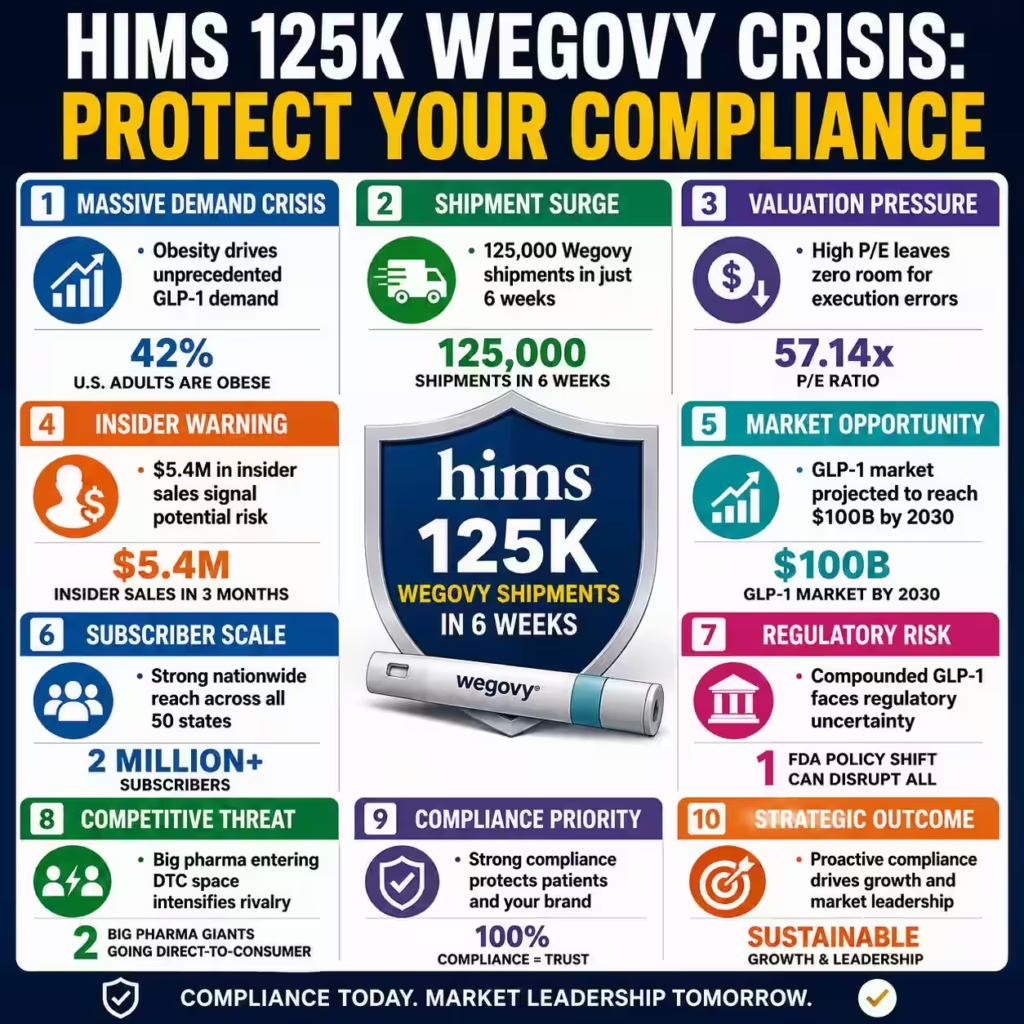
The Strategic Surge: A Case Study on HIMS 125K Wegovy Crisis
Hims & Hers Health Inc. fulfilled over 125,000 shipments of Wegovy products within six weeks of introducing direct access to Novo Nordisk’s GLP-1 offerings. This staggering volume underscores a massive shift in patient acquisition strategies and the efficacy of telehealth platforms in capturing unmet market demand. The move targets a significant pain point in the current healthcare landscape: the persistent scarcity of branded anti-obesity medications in traditional retail pharmacies.
The company is strategically positioning itself to hit its ambitious 2030 revenue targets while aiming for a 2024 fiscal goal between $2.8 billion and $3 billion. Current market data shows that the GLP-1 agonist sector is projected to reach a valuation of $100 billion by 2030, driven by a 42% obesity rate among U.S. adults. By integrating these high-demand therapeutics into a seamless digital interface, Hims & Hers has effectively bypassed the administrative friction of legacy insurance models.
This growth trajectory is reflected in the company’s $6.73 billion market capitalization and an impressive GF Score™ of 80/100. Such metrics suggest a robust internal infrastructure capable of sustaining long-term investor returns despite the volatility of the pharmaceutical supply chain. Our analysis indicates that the 125,000-unit milestone is not merely a sales achievement but a proof of concept for hyper-scalable clinical delivery. You must recognize that the convergence of digital health and weight management is now the primary engine of modern healthcare valuation.
However, the rapid deployment of these therapies comes amid complex regulatory and clinical considerations. The success of this model relies on a sophisticated logistics network that can manage cold-chain requirements for sensitive injectable medications. We observe that HIMS is leveraging a direct-to-consumer pipeline to maintain a competitive edge over traditional providers who remain shackled by physical inventory constraints. This case study serves as a blueprint for how your enterprise can utilize data-driven telehealth to disrupt established therapeutic markets.
The company’s ability to serve over 2 million subscribers across all 50 states demonstrates an unprecedented level of operational reach. While the P/E ratio of 57.14x remains high, it reflects a market sentiment that prioritizes future growth potential over immediate margin stability. Investors are clearly betting on the company’s ability to dominate the weight loss segment through sheer volume and patient retention. To replicate this success, you must prioritize consumer access and remove the logistical barriers that currently define the American pharmaceutical experience.
A Rigorous Carethix Critique: Assessing Valuation and Operational Gaps
Carethix identifies a significant risk profile hidden beneath the surface of the HIMS growth narrative, particularly regarding the sustainability of their current valuation. A P/E ratio of 57.14x creates a high-stakes environment where any operational hiccup could lead to a catastrophic correction in share price. This aggressive valuation assumes a flawless execution of the GLP-1 rollout, leaving zero margin for error in clinical oversight or regulatory compliance.
One of the most pressing concerns is the reported $5.4 million in insider share sales over the past three months. While insider selling is not always a harbinger of doom, such significant liquidity events during a period of growth can signal a lack of long-term confidence from leadership. Your organization must view these divestments as a red flag that warrants a deeper look into the company’s internal risk management protocols. We believe this activity suggests that those closest to the operation are hedging against potential regulatory shifts in the GLP-1 market.
The reliance on compounded or “direct access” GLP-1 products introduces a layer of clinical and legal vulnerability that cannot be ignored. While these offerings solve immediate supply shortages, they operate in a regulatory gray area that the FDA could tighten at any moment. Carethix notes that the gap between telehealth convenience and rigorous clinical documentation is where most liability risks reside for B2B healthcare players. If the supply of branded Wegovy stabilizes, the premium currently commanded by Hims & Hers may evaporate overnight as patients return to traditional insurance-covered options.
Furthermore, the absence of GF Value™ data creates a transparency gap for institutional investors looking for intrinsic valuation metrics. Without this baseline, the market is essentially pricing HIMS based on momentum rather than fundamental asset value. This lack of visibility increases portfolio volatility and requires a more conservative approach to telehealth integration. We argue that the current model prioritizes rapid scaling at the expense of long-term clinical defensibility and structural stability.
Finally, the competitive landscape is rapidly evolving as giants like Eli Lilly and Novo Nordisk launch their own direct-to-consumer platforms. Hims & Hers must now compete not just with other startups, but with the very manufacturers that control the primary drug supply. This dynamic creates a precarious dependency that could limit the company’s bargaining power and compress future margins. You must carefully analyze whether a telehealth-first model can survive a direct assault from vertically integrated pharmaceutical titans.
| Related Analysis: Hantavirus 40% Mortality Crisis: Your Safer Fleet Model $10M Wrongful Death Lawsuit Exposure: Secure Clinical Accuracy Norovirus 3.3% Crisis: Protect Your Guests Fast |
Strategic Solutions for Sustainable Market Integration
To navigate these complexities, your enterprise must implement a multi-layered sourcing strategy that reduces dependency on single-manufacturer drug supplies. Utilizing a network of 503B outsourcing facilities can provide a secondary pipeline for high-demand medications during periods of national shortages. This approach ensures that your patient fulfillment rates remain high even when branded supplies like Wegovy are constrained by manufacturing bottlenecks. We recommend a diversified procurement model that balances branded partnerships with high-quality, regulated alternatives to maintain operational continuity.
Integrating advanced AI-driven patient monitoring systems is another critical solution for maintaining clinical integrity while scaling rapidly. These systems can automate the screening process for GLP-1 eligibility, ensuring that only appropriate candidates receive prescriptions while reducing the burden on human practitioners. By leveraging real-world data from your initial 125,000 shipments, you can refine your clinical algorithms to predict and manage potential side effects more effectively. This proactive management style builds patient trust and increases the lifetime value of each subscriber in your ecosystem.
A robust financial solution involves transitioning from a pure transactional model to a subscription-based “health-as-a-service” framework. This shift provides more predictable recurring revenue and justifies higher P/E ratios by demonstrating long-term customer loyalty and lower churn rates. You should offer tiered membership plans that include not just the medication, but also nutrition coaching and mental health support. Such a holistic approach differentiates your brand from low-cost competitors and creates a more defensible market position.
We also advocate for the implementation of blockchain-enabled supply chain tracking to ensure the authenticity and temperature stability of every shipment. In the high-stakes world of GLP-1 therapeutics, a single compromised batch can lead to massive legal liabilities and brand damage. Providing patients and partners with a transparent, immutable record of the drug’s journey from the lab to their door is a powerful marketing tool. This technological integration demonstrates a commitment to safety that exceeds current industry standards and sets your firm apart as a leader in clinical quality.
Finally, establishing strategic partnerships with traditional insurance carriers could bridge the gap between cash-pay telehealth and mainstream healthcare. By facilitating “out-of-network” reimbursement for telehealth services, you can expand your addressable market to include millions of patients who prefer to use their existing benefits. This hybrid model combines the speed of direct-access platforms with the financial accessibility of the legacy system. We believe this synergy is the key to unlocking the next $3 billion in revenue for any forward-thinking healthcare enterprise.
Proactive Prevention: Future-Proofing the Healthcare Enterprise
The first step in preventing future operational failures is the implementation of a rigorous internal compliance audit focused on the FDA’s 503A and 503B regulations. As the GLP-1 market matures, regulators will inevitably increase scrutiny of compounding and telehealth prescription practices. You must ensure that your clinical protocols are documented with the same level of detail as traditional hospital systems to survive future audits. We recommend appointing a dedicated Chief Compliance Officer to oversee every stage of the patient acquisition and fulfillment process.
To prevent the risks associated with market saturation, you must diversify your therapeutic offerings beyond the weight loss segment. While GLP-1s are a current growth engine, relying too heavily on a single category makes your business vulnerable to shifts in medical guidelines or competitor breakthroughs. Investing in longevity medicine, hair loss, and mental health creates a balanced portfolio that can withstand the fluctuations of any specific drug class. This diversification strategy protects your market cap and ensures that your enterprise remains relevant across the entire patient lifecycle.
Safeguarding against executive volatility and investor panic requires a transparent communication strategy regarding insider trading and financial health. Establishing pre-set trading plans for executives can prevent the negative optics associated with large-scale share sales during growth periods. Your organization should also provide clear, data-backed guidance on GF Score™ components to give investors confidence in your long-term return potential. Openly addressing valuation concerns with detailed performance metrics will stabilize your stock price and attract institutional capital.
Developing an in-house logistics and cold-chain infrastructure is another essential preventative measure to protect your supply chain from external shocks. Outsourcing your core delivery functions to third-party providers leaves you vulnerable to their failures and price increases. By owning the fulfillment process, you gain total control over the patient experience and can implement proprietary safety standards that exceed baseline requirements. This investment in physical infrastructure serves as a moat that prevents smaller, more nimble competitors from easily entering your space.
Lastly, we recommend the creation of a “Clinical Advisory Board” consisting of independent endocrinologists and pharmacists to oversee your therapeutic rollouts. This board acts as a safety net, ensuring that your commercial goals never compromise the standards of patient care. Having an objective, external body validate your clinical practices provides an extra layer of defense against malpractice claims and regulatory investigations. In the eyes of the market, this commitment to ethical medicine is the ultimate preventative measure for long-term corporate survival.
Carethix Key Takeaway
- The rise of Hims & Hers marks the end of passive healthcare, signaling that enterprises must adopt digital commerce speeds to maintain market share.
- The 125,000 shipments reported serve as a proof of concept for a more efficient, patient-centric clinical delivery model that bypasses legacy systems.
- A 57.14x P/E ratio is considered a justified premium for successfully scaling complex therapeutic interventions.
- Despite momentum, the $5.4 million in insider selling highlights the need for caution and stability.
- Sustainable success in the GLP-1 sector requires a foundation of clinical excellence and logistical independence over mere marketing prowess.
- The ultimate winners will be those who balance safety standards with convenience at scale.
- Implementing an independent Clinical Advisory Board serves as an essential preventative measure for long-term corporate survival.
FAQs:
Why did Hims & Hers Health ship 125,000 Wegovy prescriptions in just 6 weeks while traditional pharmacies still face GLP-1 shortages?
Traditional healthcare infrastructures remain tethered to sluggish insurance authorizations and disjointed pharmacy logistics, whereas hyper-scalable telehealth platforms are aggressively capturing the projected $100 billion GLP-1 sector by prioritizing seamless, direct-to-consumer delivery models.
Is the 57.14x P/E valuation of Hims & Hers Health dangerously overvalued amid rising GLP-1 telehealth competition from Novo Nordisk and Eli Lilly and Company?
Yes, because a 57.14x earnings multiple leaves minimal room for regulatory setbacks, GLP-1 supply normalization, or patient churn, making operational execution and clinical compliance absolutely critical for sustaining telehealth growth premiums.
How can telehealth companies reduce FDA regulatory risk tied to compounded GLP-1 weight loss medications and 503B outsourcing facilities?
Telehealth enterprises must strengthen FDA 503A/503B compliance audits, implement AI-driven patient eligibility monitoring, and diversify branded plus compounded GLP-1 sourcing strategies before tightening obesity drug regulations trigger major legal and reimbursement disruptions.
Why are investors concerned about the reported $5.4 million insider stock sales during Hims & Hers Health’s rapid obesity treatment expansion?
Large insider selling during aggressive telehealth expansion raises concerns that executives may anticipate margin compression, reimbursement pressure, or heightened FDA scrutiny despite surging demand for digital weight loss prescription platforms.
What is the best long-term strategy for scaling profitable GLP-1 telehealth businesses beyond short-term obesity drug demand?
The strongest healthcare growth strategy is building a subscription-based “health-as-a-service” ecosystem combining GLP-1 therapy, nutrition coaching, mental health support, AI patient monitoring, and insurance integration to maximize recurring revenue and patient retention at scale.