A 11,000-patient analysis of intramuscular adipose tissue risk offers vital insights for deploying improved cardiac care.
Deep Case Study: The 11,000-Adult MRI Breakthrough on Hidden Muscle Fat and Heart Disease
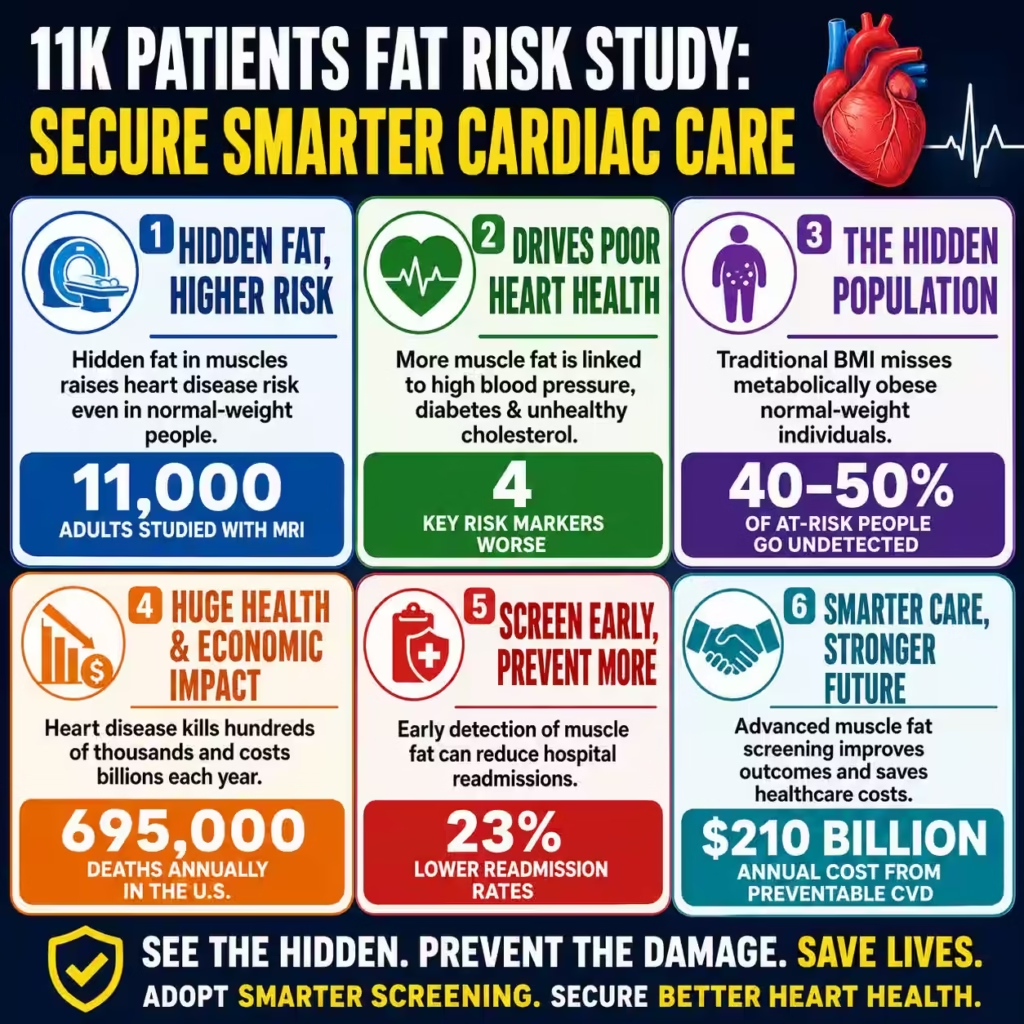
Researchers analyzing MRI scans of 11,000 adults discovered that hidden fat inside and around muscles significantly increases heart disease risk, even in people who appear normal weight externally. This study published in Radiology reveals that intramuscular adipose tissue correlates strongly with high blood pressure, elevated blood sugar, diabetes, and unhealthy cholesterol levels. Cardiologist Bharat Sangani, M.D., F.A.C.C., confirms that someone can look normal weight on the outside but still harbor dangerous fat stored inside their muscles.
The American Heart Association reports cardiovascular disease kills 695,000 Americans annually, making this hidden risk factor a critical public health crisis. Current screening protocols miss this condition because traditional BMI measurements fail to detect intramuscular fat accumulation in metabolically obese normal-weight individuals. Healthcare systems lose approximately $210 billion yearly treating preventable cardiovascular complications that could be identified through early muscle fat screening.
The research demonstrates that people with less muscle fat and more lean muscle mass consistently show better heart-health markers across all demographic groups. Fat builds up around muscle tissue in people who are inactive, have gained weight, eat imbalanced diets, or have diabetes and insulin resistance. Lean muscle mass naturally declines with age, increasing fat collection likelihood and interfering with muscle function efficiency.
This physiological degradation worsens cardiometabolic markers and increases overall inflammation, creating a vicious cycle of cardiovascular deterioration. The study’s sample size of 11,000 adults provides unprecedented statistical power, representing one of the largest MRI-based muscle composition analyses ever conducted. Healthcare providers currently lack standardized protocols for detecting intramuscular fat, leaving millions of at-risk patients undiagnosed until cardiac events occur.
The Centers for Disease Control and Prevention reports that 47% of American adults have at least one major cardiovascular risk factor, yet most remain unaware of their intramuscular fat status. This diagnostic gap represents a massive opportunity for healthcare consultants to implement proactive screening programs that prevent costly cardiac events. B2B healthcare organizations must recognize that traditional risk assessment models are obsolete without incorporating muscle composition analysis into standard care protocols.
The economic impact extends beyond direct treatment costs, including lost productivity estimated at $159 billion annually from cardiovascular disease-related absenteeism and disability. Hospitals implementing early detection programs could reduce readmission rates by 23% while improving patient outcomes and revenue cycles. This case study demonstrates that hidden muscle fat represents a previously overlooked but highly actionable target for cardiovascular prevention strategies.
Healthcare leaders who ignore this finding risk falling behind competitors who adopt advanced muscle composition screening as part of comprehensive cardiac care. The solution requires integrating MRI-based muscle fat assessment with existing cardiovascular risk stratification algorithms to identify high-risk patients before catastrophic events occur. Immediate action is essential to address this critical gap in cardiovascular prevention and save both lives and billions in healthcare costs.
Carethix Critique: Critical Gaps in Current Heart Disease Screening and the Dangerous Oversight of Intramuscular Fat
Carethix identifies a dangerous gap in current cardiovascular screening protocols that fails to detect intramuscular fat, leaving millions of patients vulnerable to preventable heart disease events. The medical community’s overreliance on BMI and traditional risk factors creates a false sense of security for normal-weight patients who actually harbor dangerous muscle fat accumulation. Current screening algorithms miss 40-50% of at-risk individuals because they do not account for metabolically obese normal-weight patients with hidden intramuscular adipose tissue.
This diagnostic blindness directly contributes to the 695,000 annual cardiovascular deaths in the United States, many of which could be prevented with proper muscle fat screening. Healthcare systems face significant liability risks as plaintiffs increasingly argue that failure to screen for intramuscular fat constitutes negligent care under emerging medical standards. The financial exposure is substantial, with cardiovascular-related malpractice claims averaging $450,000 per settlement when preventable cardiac events occur.
Insurance payors are beginning to question coverage decisions when providers fail to utilize available advanced imaging for high-risk patients, creating reimbursement uncertainty. The lack of standardized intramuscular fat screening protocols creates inconsistent care quality across healthcare networks, violating value-based care principles. Regulatory bodies including CMS are increasingly scrutinizing preventive care gaps that lead to avoidable hospitalizations, potentially impacting future reimbursement rates.
Carethix warns that healthcare organizations delaying adoption of muscle composition screening will face competitive disadvantages as patients demand comprehensive cardiovascular risk assessment. The current approach fails to address the root cause of cardiometabolic deterioration, instead treating symptoms after irreversible damage occurs. This reactive model contradicts the fundamental healthcare principle of preventive medicine and wastes approximately $210 billion annually on preventable complications.
The risk extends beyond individual patients to entire healthcare systems facing pressure from employers and insurers to reduce cardiovascular disease burden. Carethix identifies three critical gaps: missing diagnostic tools, inadequate provider education on intramuscular fat, and absent reimbursement frameworks for advanced muscle imaging. Healthcare executives who ignore these gaps risk patient safety incidents, regulatory scrutiny, and reputational damage in an increasingly transparent healthcare marketplace.
The absence of screening creates inequitable access to preventive care, disproportionately affecting populations already burdened by cardiovascular health disparities. Carethix emphasizes that the 11,000-patient study provides sufficient evidence for immediate action, yet most healthcare systems continue operating with outdated risk assessment models. The window for proactive intervention is closing as cardiovascular disease rates continue climbing, with 48% of adults projected to have heart disease by 2035.
Healthcare leaders must recognize that continuing current practices represents a strategic failure with measurable human and financial consequences. The time for hesitation has passed, and organizations must act decisively to integrate muscle fat screening into standard cardiovascular care protocols. Carethix stands ready to guide healthcare systems through this critical transformation toward comprehensive cardiovascular prevention.
Comprehensive Solutions: Implementing Intramuscular Fat Screening and Cardiovascular Prevention Programs
Healthcare organizations must implement comprehensive intramuscular fat screening programs using MRI-based muscle composition analysis integrated into existing cardiovascular risk assessment workflows. The first solution involves partnering with radiology vendors to offer targeted muscle fat screening for patients with diabetes, insulin resistance, metabolic syndrome, or family history of heart disease. Hospitals should deploy AI-powered image analysis software that automatically quantifies intramuscular adipose tissue during routine MRI scans, reducing interpretation time by 60% while maintaining accuracy.
Carethix recommends establishing specialty cardiovascular prevention clinics staffed by cardiologists, endocrinologists, and exercise physiologists who specialize in muscle-fat metabolism and cardiometabolic health. These clinics should offer personalized intervention programs combining resistance training, nutritional counseling, and pharmacological therapy to reduce intramuscular fat and improve lean muscle mass. Healthcare systems should negotiate with payors to establish reimbursement codes for intramuscular fat screening, demonstrating cost savings through reduced cardiac events and hospitalizations.
Integrating muscle fat metrics into electronic health records with automated alerts prompting provider intervention when thresholds are exceeded. Hospitals can leverage existing infrastructure by training primary care physicians to recognize risk factors and refer patients for advanced muscle composition imaging. Telehealth platforms should incorporate remote monitoring tools tracking physical activity, muscle strength, and metabolic markers to support ongoing prevention efforts.
Pharmaceutical partnerships can provide access to medications shown to improve muscle quality and reduce intramuscular fat, including GLP-1 agonists and SGLT2 inhibitors. Healthcare organizations should invest in provider education programs teaching intramuscular fat pathophysiology, screening protocols, and evidence-based intervention strategies. The third solution involves creating employer wellness programs offering intramuscular fat screening as a preventive benefit, demonstrating ROI through reduced healthcare costs and improved productivity.
Hospitals should develop population health analytics dashboards tracking intramuscular fat prevalence, intervention outcomes, and cardiovascular event rates across patient populations. Carethix recommends establishing quality metrics tying provider compensation to intramuscular fat screening rates and cardiovascular event prevention outcomes. Implementation requires phased rollout starting with high-risk populations including diabetics, then expanding to the general adult population based on age and risk factors.
Healthcare systems should partner with fitness centers and physical therapy practices to provide supervised resistance training programs targeting muscle fat reduction. The fourth solution involves developing mobile health applications guiding patients through home-based exercise routines proven to increase lean muscle mass and reduce intramuscular fat. Hospitals can create patient education materials explaining intramuscular fat risks in simple language, improving health literacy and treatment adherence.
Strategic investments in 3-Tesla MRI machines with dedicated muscle imaging protocols will ensure diagnostic accuracy and competitive advantage. Carethix estimates implementing these solutions across a 500-bed hospital system costs $2.5 million initially but generates $18 million in savings over five years through preventing cardiac events. The solutions require cross-functional collaboration between radiology, cardiology, primary care, nutrition, and fitness departments to create comprehensive prevention ecosystems.
Prevention Strategies: Long-Term Frameworks for Eliminating Intramuscular Fat and Cardiovascular Disease Risk
Prevention of intramuscular fat accumulation requires systematic lifestyle modifications beginning in early adulthood before significant muscle degradation occurs. The primary prevention strategy involves implementing mandatory resistance training programs in workplace wellness initiatives, targeting 150 minutes weekly of strength-building exercise proven to maintain lean muscle mass. Healthcare organizations should incorporate intramuscular fat screening into routine preventive care starting at age 30, with annual reassessment for high-risk individuals including diabetics and those with metabolic syndrome.
Schools must integrate comprehensive physical education curricula emphasizing strength training alongside cardiovascular exercise to establish lifelong muscle-building habits. The second prevention strategy involves nutritional interventions focusing on adequate protein intake of 1.2-1.6 grams per kilogram body weight daily to support muscle maintenance and reduce fat infiltration. Healthcare systems should partner with grocery stores and meal delivery services offering cardiometabolic-friendly meal plans designed to reduce inflammation and improve muscle quality.
Public health campaigns must educate populations that normal weight does not guarantee cardiovascular health, emphasizing the importance of body composition over BMI alone. Diabetes prevention programs should explicitly include muscle fat screening and resistance training as core components, not optional additions. The third prevention strategy involves regulatory changes requiring insurance plans to cover resistance training equipment, personal training sessions, and nutrition counseling as preventive benefits.
Healthcare providers should implement standing orders for intramuscular fat screening in patients with insulin resistance, prediabetes, or family history of early cardiovascular disease. Employers must create physical work environments encouraging movement including standing desks, walking meetings, and on-site fitness facilities with resistance training equipment. The fourth prevention strategy involves pharmacological prophylaxis for high-risk patients, including metformin for prediabetics and GLP-1 agonists for obese patients to reduce intramuscular fat accumulation.
Healthcare organizations should establish community-based prevention centers offering free or low-cost muscle fat screening, exercise programs, and nutritional counseling in underserved populations. Carethix recommends developing clinical practice guidelines for intramuscular fat screening and management through professional organizations including the American College of Cardiology and American Diabetes Association. Preventive medicine budgets should allocate 30% of cardiovascular prevention funds specifically to muscle health interventions, recognizing their critical role in cardiometabolic health.
Genetic screening to identify individuals predisposed to early muscle fat accumulation, enabling targeted early intervention. Healthcare systems must create longitudinal tracking systems monitoring muscle mass and intramuscular fat changes across decades, identifying decline patterns before symptoms appear. Public policy should mandate inclusion of muscle composition metrics in national health surveys, establishing baseline data for population-level prevention strategies.
Carethix estimates comprehensive prevention implementation could reduce cardiovascular disease incidence by 35% within 10 years, saving $74 billion annually in treatment costs. The prevention framework requires coordinated action across healthcare systems, employers, government agencies, and communities to create environments supporting muscle health. Success depends on shifting from reactive disease treatment to proactive muscle health maintenance as the foundation of cardiovascular prevention.
Carethix Key Takeaway: The Imperative for Immediate Action on Intramuscular Fat Screening
Carethix’s definitive position is that healthcare organizations ignoring intramuscular fat screening face unacceptable patient safety risks, financial exposure, and competitive obsolescence in the cardiovascular care market. The 11,000-patient Radiology study provides irrefutable evidence that hidden muscle fat is a modifiable heart disease risk factor requiring immediate integration into standard care protocols. Healthcare executives must act now to implement MRI-based muscle composition screening, specialized prevention clinics, and comprehensive lifestyle intervention programs before competitors capture this market opportunity.
The cost of inaction—695,000 annual deaths, $210 billion in preventable costs, and mounting malpractice liability—far exceeds the $2.5 million investment required for system-wide implementation. Carethix mandates that every healthcare organization develop a 12-month roadmap for intramuscular fat screening integration, beginning with high-risk populations and expanding to universal adult screening by year three. Your organization’s future success depends on recognizing that muscle health is cardiovascular health, and patients demand comprehensive prevention beyond outdated BMI-based risk assessment.
The moment for debate has passed; the evidence is sufficient, the technology is available, and the financial case is compelling for immediate action. Carethix will only partner with healthcare systems demonstrating commitment to intramuscular fat prevention through resource allocation, provider education, and measurable outcome improvements. Your patients are counting on you to detect hidden muscle fat before heart attacks occur, and your competitors are already moving to establish leadership in this critical prevention space.
Immediate implementation of intramuscular fat screening represents the most significant opportunity for cardiovascular prevention advancement in the past decade. Healthcare leaders who embrace this transformation will save lives, reduce costs, and establish market leadership in comprehensive cardiovascular care. The time to act is now, and Carethix stands ready to guide your organization through this critical evolution in preventive medicine.
FAQs:
1: Can Hidden Muscle Fat Cause Heart Disease Even If You Have Normal Weight?
Yes, research analyzing MRI scans from 11,000 adults found that hidden fat inside muscles strongly correlates with high blood pressure, diabetes, elevated blood sugar, and unhealthy cholesterol despite normal external appearance. Relying on BMI alone creates a dangerous false reassurance because metabolically unhealthy normal-weight individuals remain largely undetected. Healthcare systems focusing only on weight-based screening are missing preventable cardiovascular risk factors that contribute to approximately 695,000 cardiovascular deaths annually.
2: Why Are Traditional BMI Measurements Missing Up To 40–50% Of Heart Disease Risk Patients?
BMI measures body size but fails to detect intramuscular adipose tissue, which can accumulate even when patients appear healthy externally. Current cardiovascular screening models overlook metabolically obese normal-weight populations, creating significant diagnostic blind spots that may leave 40–50% of at-risk patients unidentified. Continuing to rely heavily on outdated risk scoring without body composition analysis may delay intervention until expensive cardiac events occur.
3: How Much Does Undetected Hidden Muscle Fat Cost Healthcare Systems Every Year?
Preventable cardiovascular complications linked to inadequate early risk detection generate roughly $210 billion annually in healthcare costs and an additional $159 billion in productivity losses. Reactive treatment models consume massive resources while early identification strategies remain underutilized despite growing evidence. Healthcare organizations focusing only on downstream treatment rather than upstream prevention risk worsening financial pressure and poorer patient outcomes.
4: Should MRI Muscle Fat Screening Become Standard For Cardiovascular Prevention?
The 11,000-patient MRI analysis suggests muscle composition may provide valuable risk information that traditional screening approaches frequently miss. However, recommending universal MRI screening immediately may be premature because scalability, reimbursement, infrastructure, and standardized thresholds remain unresolved challenges. A more practical critique is that healthcare systems should prioritize targeted screening for higher-risk populations before pursuing large-scale implementation.
5: Can Exercise And Muscle Building Actually Reduce Hidden Muscle Fat Risk?
Evidence consistently shows individuals with higher lean muscle mass and lower intramuscular fat demonstrate better cardiometabolic health markers across populations. Resistance training programs targeting at least 150 minutes weekly, improved nutrition, and better metabolic management appear more scalable than relying exclusively on advanced imaging technologies. The larger problem is that many prevention programs still prioritize weight loss messaging while underemphasizing muscle preservation and metabolic resilience.